Imagine a world where you never have to pull into a gas station again. Imagine a world where your car breathes in the sunlight and transforms it into pure, unadulterated velocity. This isn’t science fiction anymore; it is the reality that Aptera is building right before our eyes. In a recent episode of the hit series Quick Charge, the CEO of Aptera dropped a bombshell that has the entire automotive industry looking over its shoulder. For years, critics mocked the idea of a solar-powered vehicle as a mere pipe dream, a toy for enthusiasts with too much time and money. But today, the narrative has shifted dramatically. The data is in, the proof is undeniable, and the ‘legs’ of this concept are sturdier than ever. The vision of a future where transportation is essentially free is no longer a distant fantasy, but a burgeoning reality that is sending shockwaves through the market.
The Death of the Plug? Aptera’s Bold Claim
The traditional electric vehicle market has one glaring weakness: the dependency on the electrical grid. While EVs are far superior to internal combustion engines, they still require the user to hunt for charging stations or install expensive home infrastructure. Aptera is aiming to bypass that entire headache. During the latest discussion on Quick Charge, the CEO emphasized that the dream of ‘never charging’ is closer than we think. By utilizing hyper-efficient aerodynamics and state-of-the-art solar cells, the Aptera vehicle can gain up to 40 miles of range per day just by sitting in the sun. For the average commuter, this means the car literally fuels itself while they work.
This isn’t just about the car; it’s about a total lifestyle shift. We are seeing a massive surge in consumers who are tired of being tethered to utility companies. These early adopters are already topping off their batteries using the power of the sun, and the results are staggering. It is a revolution of independence. The viral nature of this movement cannot be understated. As more people realize they can effectively drive for free, the demand for solar-integrated transport will explode. The industry is reaching a tipping point where the economic benefits simply outweigh the convenience of traditional charging systems.
The Power of the Sun in Your Driveway
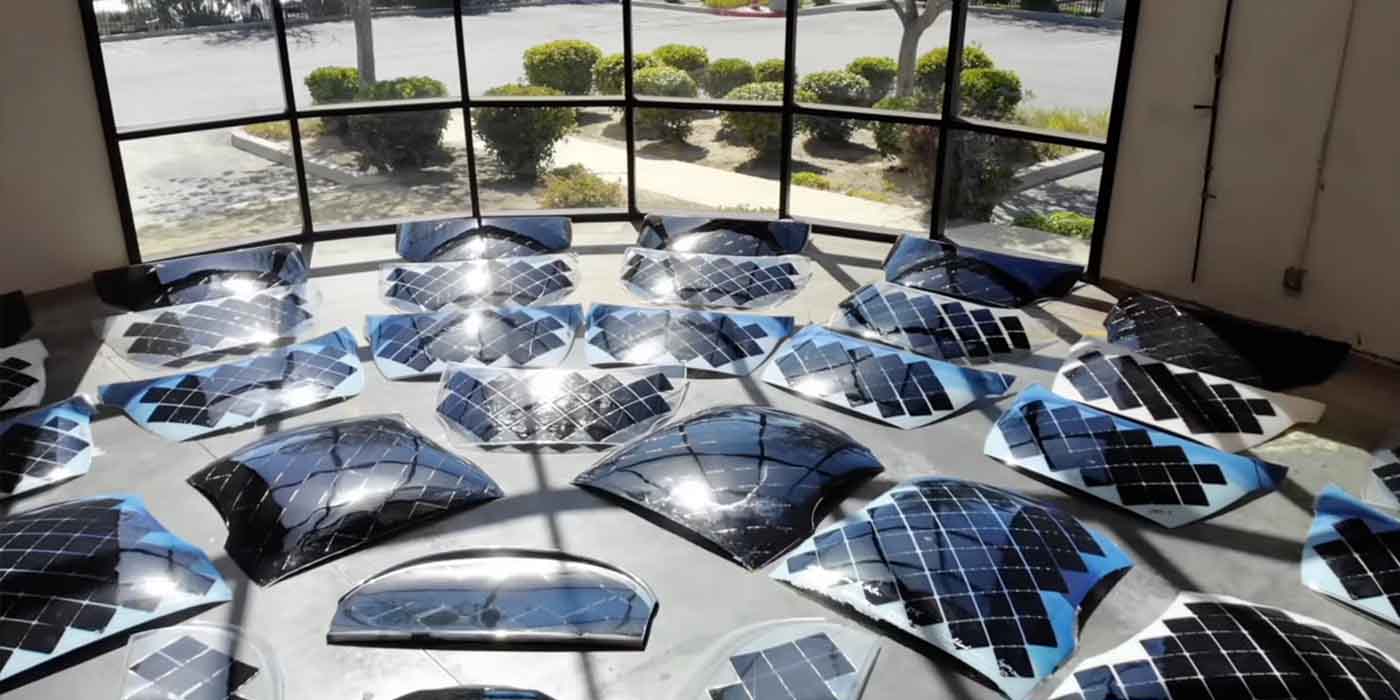
How does it work? It’s not magic, it’s physics. The Aptera is designed to be the most aerodynamic vehicle on the planet, boasting a drag coefficient that makes high-end sports cars look like bricks. This extreme efficiency allows the solar panels embedded in the bodywork to provide a significant percentage of the energy required for daily travel. In the Quick Charge episode, the CEO shared proof that the technology is not just functional but highly scalable. We are talking about a vehicle that doesn’t just look like the future—it functions as a mobile power plant.
Readers of Electrek have been following this saga for years, and many are already integrating solar solutions into their own homes. The synergy between a solar-powered home and a solar-powered car creates a closed-loop energy system that is the ultimate nightmare for big oil and big utility corporations. If you can generate your own power and move your own body without a middleman, you have achieved a level of freedom that hasn’t existed since the horse and buggy era. The financial implications are massive, potentially saving families thousands of dollars every year in energy costs.
Joining the Solar Elite: A Global Movement
But the impact goes beyond individual savings. This is a global shift toward decentralization. The CEO’s latest ‘proof’ shows that the solar EV concept isn’t just a niche product for sunny California; it’s a viable solution for anyone looking to reduce their carbon footprint while simultaneously increasing their bank balance. The savings for solar EV drivers are becoming so significant that it is almost irresponsible to ignore them. We are talking about thousands of dollars a year in avoided fuel and electricity costs. By capturing the free energy falling on the Earth every day, Aptera is turning every parking spot into a refueling station.
The momentum is building. With dozens of enthusiasts already documenting their success in topping off batteries with pure sunlight, the social proof is overwhelming. This is no longer a ‘what if’ scenario. It is a ‘when’ scenario. The automotive giants are scrambling to catch up, but Aptera has the first-mover advantage and a vision that is purely focused on the sun. The solarama is here, and it is glorious. As we move deeper into this decade, the sight of solar panels on cars will become as common as headlights. The question is no longer whether solar cars will work, but how quickly you can get your hands on one before the waiting lists grow too long. Will you be part of the change, or will you be left in the dark, paying for every mile you travel? The energy revolution is happening now, and the sun is providing all the fuel we will ever need.