The global automotive industry is currently standing on the edge of a terrifying precipice. For years, the mainstream media and green energy advocates have promised an unstoppable revolution, a world where internal combustion engines would vanish overnight. However, the latest data reveals a much more haunting reality. While the headline figure of 4 million electric vehicles sold worldwide in Q1 2026 sounds massive, it hides a dark secret: growth is not just slowing—it is reversing in key regions. According to a shocking new report from Benchmark Mineral Intelligence, global EV sales have actually dropped by 3% year-over-year, sending shockwaves through the halls of power from Silicon Valley to Berlin.
The Terrifying Reality of the 3% Sales Slump
This 3% decline is more than just a statistical blip; it is a loud, ringing alarm bell for investors who have poured trillions into the electrification dream. For the first time in the modern era of the EV, the momentum has stalled. Analysts are now pointing to a ‘perfect storm’ of consumer exhaustion, expiring government subsidies, and a sudden realization that the charging infrastructure is nowhere near ready for prime time. The ‘early adopters’—the tech enthusiasts and high-income earners—have already filled their garages. The industry is now facing the ‘skeptical majority,’ a group of buyers who are increasingly worried about range anxiety, plummeting resale values, and the high cost of entry.
The implications of this slowdown are catastrophic. If the 4 million units sold in Q1 2026 represent a peak rather than a stepping stone, the global battery supply chain could face a systemic collapse. Gigafactories that were built to handle exponential growth may soon find themselves sitting idle, becoming multi-billion-dollar ‘white elephants’ that drain corporate coffers. We are witnessing a brutal market correction that could redefine the next decade of transportation.
The China Dominance vs. Western Stagnation
The most alarming aspect of this new data is how ‘uneven’ the landscape has become. While China continues to dominate the sector with aggressive pricing and government-backed manufacturing, the Western world is struggling to keep its head above water. In North America and Europe, high interest rates have made financing a new electric car an impossible dream for the average family. Meanwhile, in China, domestic giants like BYD and Xiaomi are engaged in a cutthroat price war that is driving costs down but also destroying profit margins for everyone involved.
- China’s domestic market is reaching saturation, forcing brands to export aggressively.
- European buyers are retreating back to hybrid models as a ‘safe’ alternative.
- The United States is seeing a massive buildup of unsold EV inventory on dealer lots.
- Charging infrastructure delays are cited as the number one reason for buyer hesitation in 2026.
This geographic divide is creating a two-tier global economy. One half is racing toward a low-cost electric future, while the other is bogged down in political debates and infrastructure failures. The 3% drop in global sales is a direct result of this fragmentation. If the West cannot find a way to make EVs affordable and convenient, the gap will only widen, leaving legacy automakers in a fight for their very survival.
Can Budget EVs Like the Kia EV2 Save the Industry?
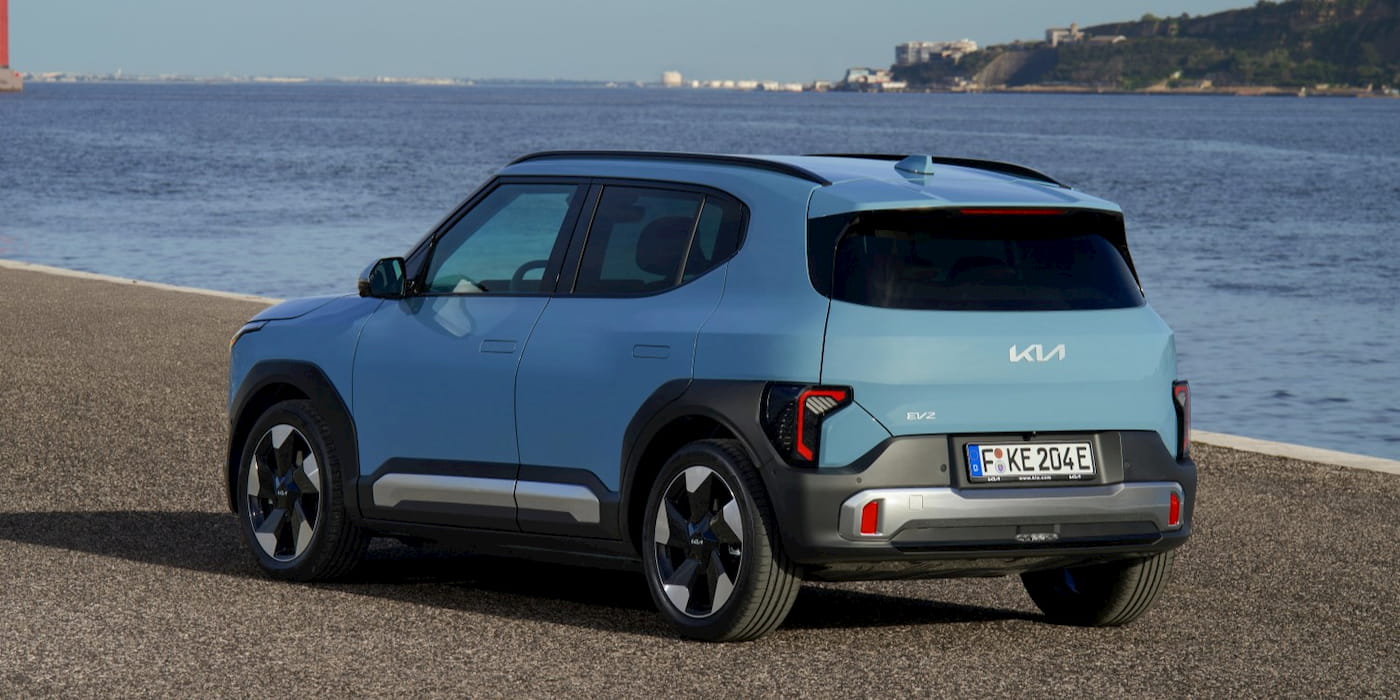
In the midst of this chaos, manufacturers are pivoting toward a new strategy: the ‘cheap’ EV. The image of the Kia EV2 is a symbol of this desperate ‘Hail Mary’ pass. For the EV revolution to survive, it must move away from $80,000 luxury SUVs and toward sub-$25,000 urban runabouts. The era of performance and prestige is being replaced by the era of utility and economy. However, the question remains: can Western brands build these cars profitably while competing with the low labor costs of the East?
We are at a crossroads. The Q1 2026 data proves that the path to a green future is not a straight line; it is a winding, dangerous road filled with potholes. If manufacturers cannot convince the mass market that electric cars are a viable, affordable option, the 3% slump we see today could be the beginning of a total market apocalypse. The next six months will be the most critical period in automotive history, as brands either adapt to the new reality or face extinction in a world that is suddenly cooling on the electric dream.