
The End of Fuel Monopolies: Why MOOG is Changing Everything
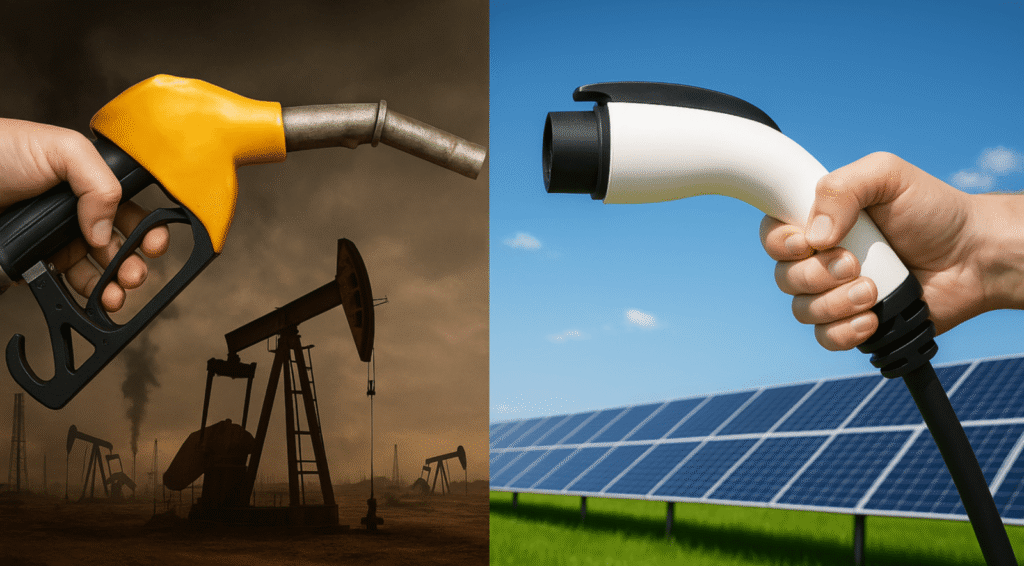
The construction and heavy machinery industry is currently standing at a terrifying crossroads. For over a century, diesel has been the undisputed king of the job site, powering the massive engines that build our cities and infrastructure. However, as global pressures to decarbonize reach a fever pitch, a new player has emerged to turn the entire industry on its head. MOOG, a titan in precision control systems, is unveiling technology so disruptive that it might just make traditional, single-fuel machines completely obsolete. This isn’t just an evolutionary step; it is a full-blown revolution that promises to save fleets millions while saving the planet at the same time.
On a recent and supremely clever episode of the Quick Charge podcast, engineers from MOOG broke their silence on the future of heavy power. They discussed a reality that few thought possible: the ability to use diesel, natural gas, and battery power all on a single machine. The implications are staggering. No longer are fleet managers forced to choose between the dirty reliability of fossil fuels and the expensive, often infrastructure-dependent world of pure electric vehicles. With MOOG’s new approach, the power of choice is finally being handed back to the people who actually do the work.
Breaking the Chains of Fuel Dependency
The core of this engineering miracle lies in the Zquip technology platform. The brilliance of the Zquip system is its modularity. Traditionally, when a company buys a piece of heavy equipment, they are locked into that fuel source for the lifetime of the machine—which can be decades. If they buy diesel and regulations change, they are stuck with a multi-million dollar paperweight. If they buy electric and the site lacks charging infrastructure, they have a very expensive lawn ornament. MOOG has solved this ‘infrastructure trap’ by creating a system where the power source can be swapped or combined based on the specific needs of the project.
This modularity allows for a level of flexibility never before seen in industrial applications. Imagine a fleet that starts its morning on compressed natural gas (CNG) to meet local urban emissions standards, and then transitions to battery power for indoor work where exhaust is a safety hazard. This isn’t science fiction; it is the immediate future of the job site. The ability to pivot between energy sources means that companies can mitigate the risk of fluctuating fuel prices and evolving environmental mandates without having to replace their entire fleet every five years.
The Trillion-Dollar Decarbonization Hack
Let’s be honest: the cost of a total transition to electric machinery is astronomical. Many small to medium-sized construction firms face certain bankruptcy if they are forced to switch to zero-emission fleets overnight. The charging infrastructure alone for a massive site can cost more than the machines themselves. This is where MOOG’s technology provides the ultimate ‘hack.’ By allowing machines to utilize multiple fuel types, they provide a bridge to the future that doesn’t involve burning a hole in the balance sheet. It allows for decarbonization at a lower cost and with significantly lower risk than any other solution on the market today.
The engineering team emphasized that this tech isn’t just about being ‘green’—it’s about being smart. By utilizing a platform that can handle diesel, natural gas, or battery power, operators can ensure their machines are always running at peak efficiency. This versatility ensures high resale value and a longer operational lifespan for every unit. We are witnessing the death of the ‘all-or-nothing’ approach to electrification. In its place, MOOG is building a pragmatic, versatile, and incredibly profitable future. You can follow the latest updates on heavy machinery innovation and green tech over at Electrek to see how this story develops.
- Massive reduction in capital expenditure for fleet owners.
- Immediate carbon footprint reduction using CNG and electric modules.
- Total protection against future fuel regulations and bans.
- Increased machine uptime through power source redundancy.
- Significant savings on fuel costs by switching to the cheapest available energy source.
As we move into 2025 and beyond, the companies that survive will be the ones that embrace this level of radical flexibility. MOOG has laid down the gauntlet, proving that the future isn’t just electric—it’s adaptable. The era of the single-fuel machine is over, and the era of the multi-fuel powerhouse has begun. If you aren’t paying attention to what MOOG is doing with Zquip, you are already falling behind the competition in a rapidly changing world.