
The geopolitical landscape is shifting rapidly, and the ripple effects are being felt in every sector of the travel industry. As the war in Iran continues to intensify, the global energy market has been thrown into a state of chaos. This is not just about the cost of filling up your car; it is about the massive logistical nightmare of keeping a fleet of commercial aircraft in the sky. Aviation fuel is one of the single largest expenses for any airline, but it is far from the only one. Travelers are seeing ticket prices soar to record highs, and the industry is desperate for a solution that can mitigate the financial damage caused by international conflict.
The Secret Crisis of Rising Aviation Costs
When passengers purchase a ticket, they often assume the majority of the price covers the fuel required for flight. While that is a massive component, it is far from the only factor. The infrastructure required to manage an aircraft while it is on the ground is staggeringly expensive. From the moment a plane touches down until it takes off again, it requires a fleet of specialized vehicles. Tugs, baggage loaders, fuel trucks, and catering lifts all contribute to a massive overhead. In an era where the war in Iran is driving diesel and jet fuel prices to historic peaks, these ground operations have become a financial black hole for carriers trying to stay afloat.
Traditionally, ground support equipment (GSE) has relied on internal combustion engines. These machines are often idling for hours on the tarmac, wasting expensive fuel and emitting significant greenhouse gases. The labor costs associated with operating these vehicles are also rising, as specialized drivers are in high demand and short supply. By focusing on this critical area, Oshkosh is targeting the most inefficient part of the travel cycle. Their goal is to turn the ‘hidden costs’ of flying into a streamlined, autonomous process that can withstand the volatility of the global energy market.
Oshkosh Unleashes Autonomous Ground Support
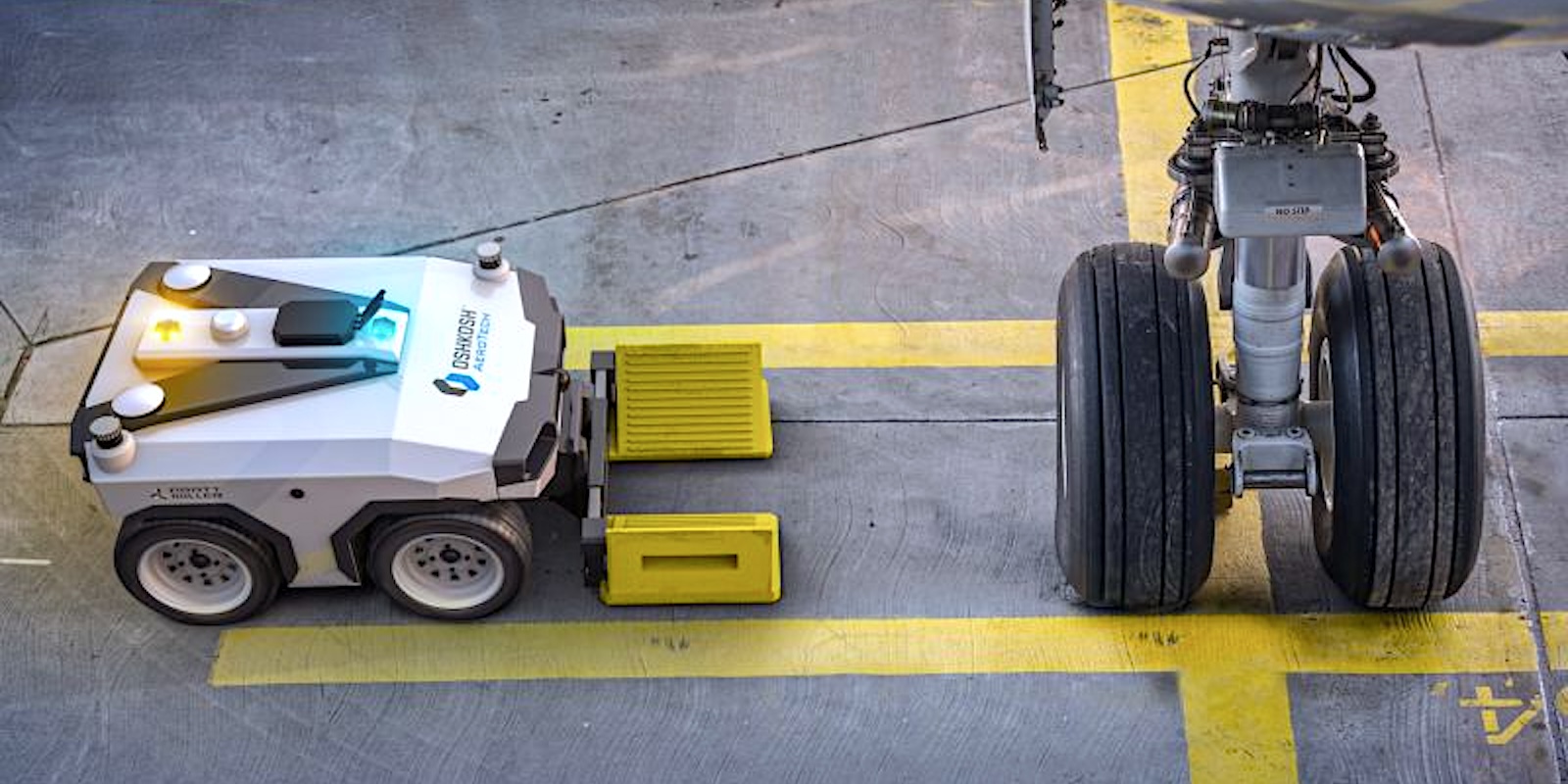
Oshkosh is not just dipping its toes into the water; it is diving headfirst into a future defined by robotics. Their new autonomous ground support vehicles are designed to operate without human intervention, utilizing advanced LiDAR and AI mapping to navigate the complex environment of an active airport. These robots are fully electric, which means they are immune to the fuel price spikes that are currently crippling other industries. By removing the need for a human driver for every single baggage cart or tug, airlines can drastically reduce their labor expenditures while increasing operational throughput and safety.
The technology leverages decades of experience Oshkosh has in the defense sector, where autonomous navigation in harsh environments is a life-saving necessity. At the airport, this translates to a level of precision that eliminates human error. Tarmac accidents, which cost the industry billions annually in repairs and delays, could be virtually eliminated. This efficiency is the key to maintaining flight schedules even when global tensions are high. For more insights on the technical specifications of these systems, industry experts often look to Oshkosh Corporation for leadership in innovation. The integration of these systems is a direct response to the volatility of the global oil market, insulating airlines from the price spikes caused by international conflicts.
- Total electrification of ground fleets to reduce carbon footprints.
- Elimination of fuel dependency for ground-based logistics.
- Enhanced tarmac safety through AI-driven collision avoidance.
- Lower long-term operating costs for commercial airlines.
- Faster turnaround times for aircraft at the gate.
Why This Tech Revolution Matters for Your Next Flight
As the conflict continues, travelers are bracing for a summer of record-high airfares. However, the implementation of Oshkosh’s automation could be the buffer that prevents ticket prices from becoming unaffordable for the average person. By cutting the ‘hidden costs’ on the ground, airlines can offset some of the pain felt from high jet fuel prices. This is not just about corporate profits; it is about the survival of global connectivity in a fractured world. The electrification of the tarmac is a necessary step in a larger strategy to decouple the transportation industry from the volatile oil markets influenced by war and political instability.
In the coming years, the sight of a human-driven baggage tractor will become a rarity. Instead, passengers will look out the window to see a silent, efficient army of robots managing the logistics of their flight. This transition is being accelerated by the very crisis that threatens the industry. Out of the chaos of the Iran war, a more resilient and sustainable form of air travel is emerging. Oshkosh is leading the charge, proving that even in the face of global conflict, innovation is the ultimate solution to economic hardship. By automating repetitive and dangerous tasks, airports can reallocate human resources to critical roles, ensuring that the future of flight remains safe, efficient, and affordable for everyone.