The automotive landscape just shifted under our feet, and the ground is soaked in gasoline. Volkswagen, the brand that promised a clean-energy revolution following its shameful emissions scandal, has just delivered a knockout blow to American EV enthusiasts. In a move that can only be described as a retreat into the past, VW has confirmed it will stop building the ID.4 in the United States. In its place? A hulking, 18-mile-per-gallon ‘land yacht’—the VW Atlas. This isn’t just a business decision; it is a betrayal of a future that many thought was finally within reach.
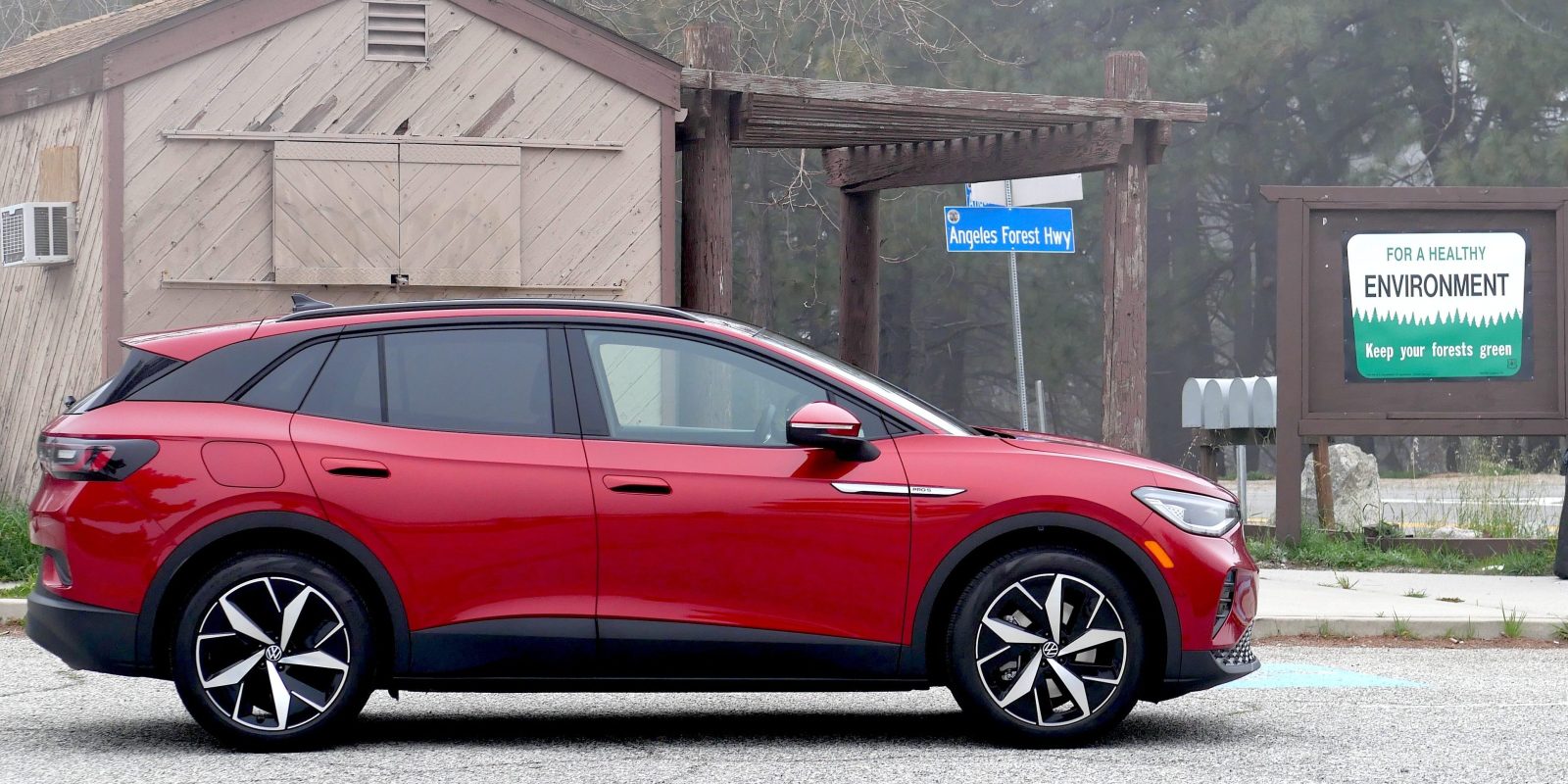
The Shocking Death of the American-Made ID.4
For years, the ID.4 was marketed as the ‘people’s electric car.’ Produced in the heart of Tennessee, it represented a bridge between the old world of fossil fuels and a new, sustainable horizon. But that bridge has been burnt. VW’s shift to manufacturing the Atlas instead of the ID.4 is a clear signal that corporate profits are once again being prioritized over environmental stewardship. The Atlas is a behemoth, a pollution-spewing three-row SUV that represents the very worst of automotive excess.
This pivot comes at a time when global temperatures are smashing records and American families are feeling the squeeze of an unprecedented affordability crisis. By ditching the ID.4, VW is effectively leaving American consumers stranded at the gas pump. The timing is particularly egregious, as gas prices have recently risen dramatically, turning every trip to the grocery store into a financial burden for the working class.
The 18MPG Nightmare: A Step Backward for Progress
Why would a company pivot from a 200+ mile-range electric SUV to a three-row monster that pollutes the very air we breathe? The Atlas, with its abysmal 18mpg fuel economy, is a relic of a pre-climate-conscious era. It is a vehicle designed for a world that no longer exists, yet it is being positioned as the centerpiece of VW’s American strategy. This decision ensures that more carbon will be pumped into the atmosphere and more money will be funneled from consumers to oil conglomerates.
- Environmental impact: The Atlas produces significantly more emissions than the electric ID.4.
- Economic strain: Drivers will face higher monthly fuel costs amidst a spike in gas prices.
- Technological stagnation: Shifting focus away from EVs halts the progress of domestic battery manufacturing.
- Market choice: Americans now have even fewer affordable electric options in the mid-size SUV segment.
Political Sabotage and the Affordability Crisis
But the blame does not rest solely on the shoulders of the executives in Wolfsburg. The political landscape has played a devastating role in this regression. Recently, legislative maneuvers and inflation tactics by Republicans have inflated the price of every electric vehicle by a staggering $7,500. This artificial price hike has effectively priced the middle class out of the green revolution, handing a massive victory to the fossil fuel industry.
This is a manufactured crisis. By making EVs prohibitively expensive and then removing the most viable domestic options from the market, these forces are ensuring that Americans remain tethered to the gas pump for another generation. The ‘affordability crisis’ is no longer just a buzzword; it is a reality dictated by political posturing. You can read the full details of this shocking report here to see how this move affects your wallet. While other manufacturers are doubling down on electrification, VW seems to be waving the white flag in the North American market, trading our children’s future for the high-margin sales of a gas-guzzling land yacht.
Ultimately, the death of the American-made ID.4 is more than just a change in a production line; it is a symptom of a larger rot in the industry. As we face a climate emergency and a cost-of-living crisis, we need leaders and corporations that look forward, not ones that retreat into the smoky comforts of the 20th century.