The Shocking Evolution of Kia’s Electric Empire
The automotive industry is standing on the precipice of a total transformation, and Kia is leading the charge with a strategy so bold it has sent shockwaves through the boardrooms of every major competitor. In a recently revealed roadmap that can only be described as a declaration of war against traditional combustion engines, Kia has announced its intention to expand its electric vehicle lineup to a staggering 14 models by the year 2030. This is not just a minor update to their existing fleet; it is a complete reimagining of what a car manufacturer can be in the 21st century. The brand is moving away from its budget-friendly roots and into a position of high-tech dominance.
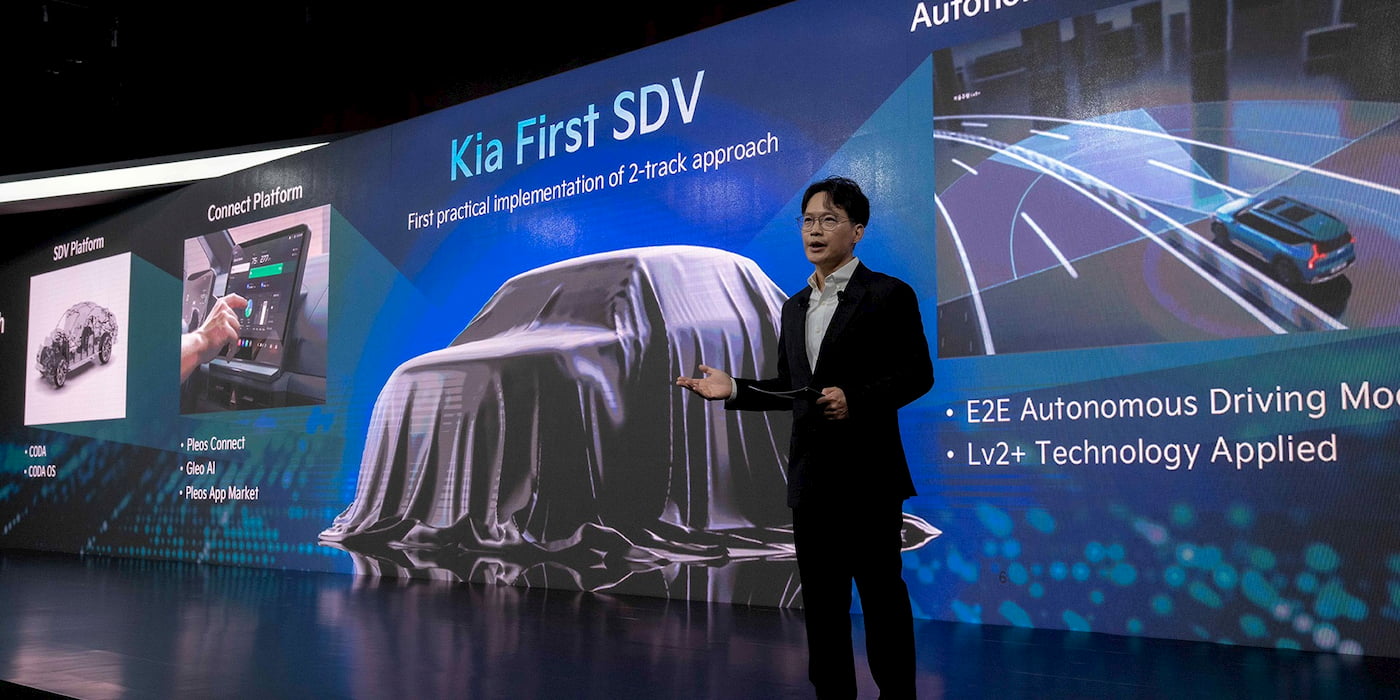
For years, skeptics argued that the transition to electric would be slow and painful. Kia is proving them wrong. By doubling down on research and development, they are moving beyond just ‘cars with batteries’ to create the next generation of transportation. The centerpiece of this strategy is the introduction of their first software-defined vehicle (SDV). If you thought your current car was high-tech, think again. This upcoming model promises to be the ‘smartphone of the road,’ utilizing advanced computing power to offer features that can be updated over the air, much like your mobile devices. This level of connectivity will allow for unprecedented personalization and performance enhancements long after the car has left the showroom floor.
14 New Models: A Total Market Takeover
The sheer scale of Kia’s ambition is hard to overstate. By aiming for 14 distinct models within the next few years, Kia is ensuring that there is an EV for every possible demographic. Whether you are a city dweller looking for a compact commuter, a family needing a spacious three-row hauler, or an enthusiast seeking high-performance thrills, Kia’s 2030 vision has you covered. This aggressive expansion is designed to capture market share in North America, Europe, and Asia simultaneously, creating a global footprint that will be nearly impossible for legacy automakers to dislodge.
Industry insiders suggest that this move is a direct response to the rising demand for sustainable transport that does not compromise on luxury or utility. Kia’s current success with models like the EV6 and EV9 has clearly provided the confidence necessary to push the boundaries even further. The company is investing billions into battery technology and supply chain resilience to ensure that these 14 models are not just concepts, but real, tangible products. You can learn more about the current Kia EV lineup to see how they are laying the groundwork for this massive surge. The speed of this rollout is unprecedented, suggesting that Kia is willing to cannibalize its own gas-powered sales to ensure its future survival.
The Budget SUV That Changes Everything
Perhaps the most exciting news for the average consumer is the announcement of a new entry-level SUV. For too long, the primary barrier to EV adoption has been the ‘green premium’—the extra cost associated with electric technology. Kia’s upcoming budget-friendly SUV is set to shatter that barrier. By leveraging economies of scale and new manufacturing techniques, Kia aims to bring the price of electric ownership down to a level that competes directly with traditional gasoline-powered crossovers. This could be the tipping point that finally moves electric vehicles from a niche luxury to a mass-market standard.
This new entry-level model is expected to be a game-changer for suburban families and young professionals alike. But it is not just about the price. Kia is promising that even its most affordable models will benefit from the software-defined architecture mentioned earlier. This means that entry-level buyers will not be stuck with yesterday’s technology. They will have access to a vehicle that evolves over time, improving its range, safety features, and infotainment options via simple software downloads. As we look toward 2030, the message from Kia is clear: the future is electric, it is connected, and it is coming faster than anyone expected. With 14 models on the horizon and a commitment to innovation, Kia is no longer just following the trends—they are setting them.