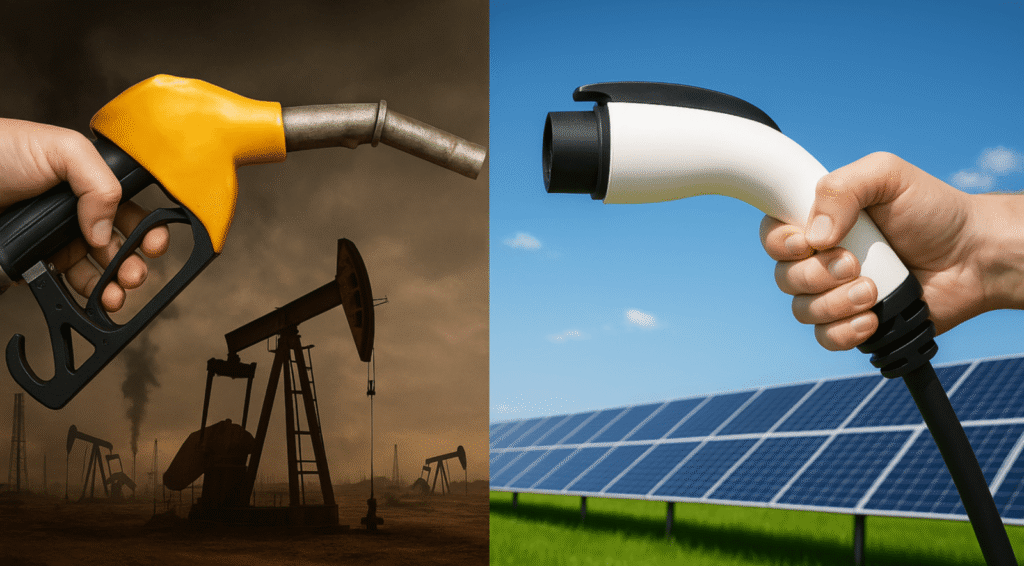
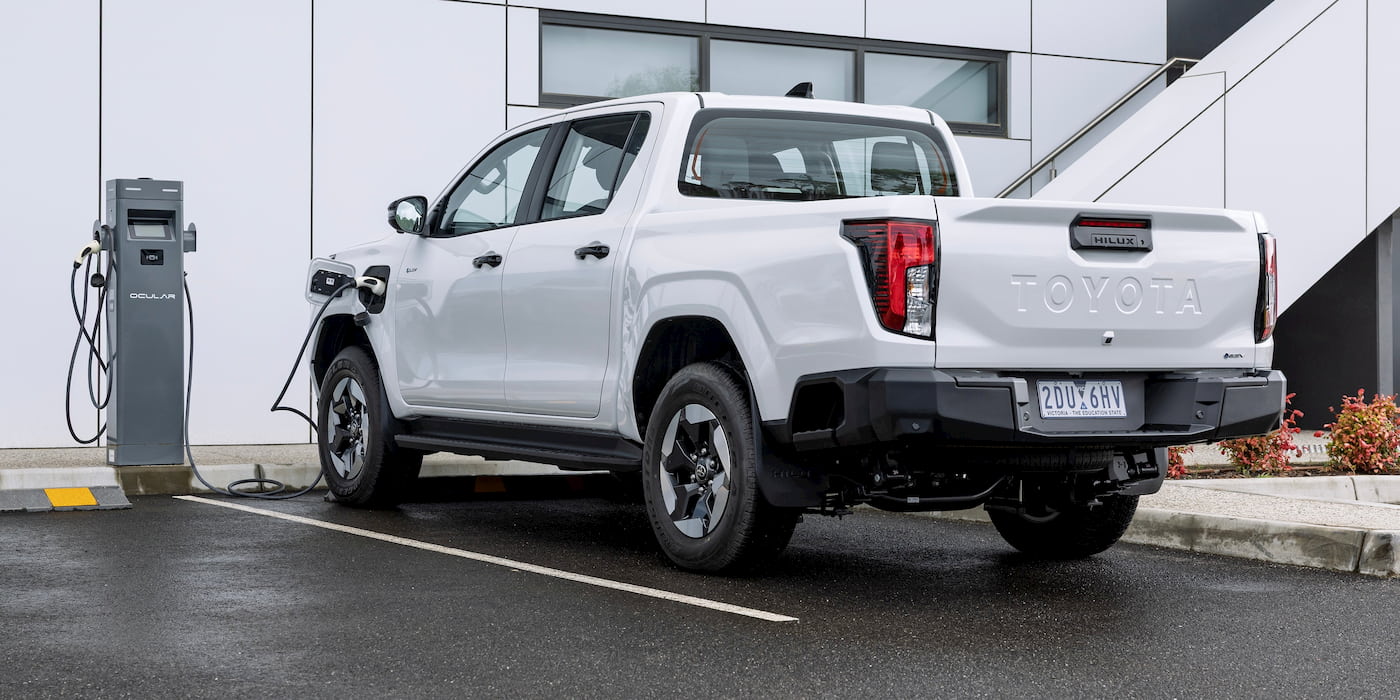
For decades, the Toyota Hilux has been the undisputed king of the rugged, affordable pickup world. It is the truck that built nations, conquered the Antarctic, and earned a reputation for being ‘indestructible.’ However, as the automotive world pivots toward a greener future, fans have been anxiously awaiting the arrival of the Hilux BEV. The wait is finally coming to an end as the first units head to dealerships, but there is a major catch that has the automotive world buzzing: the price tag is significantly higher than anyone anticipated.
The High Cost of the Electric Revolution
Toyota has long been criticized by environmental advocates for its perceived ‘slow’ transition to fully electric vehicles. While the company dominated the hybrid market for years with the Prius, it has been hesitant to dive head-first into the battery-electric vehicle (BEV) space. The Hilux BEV represents a pivotal moment for the Japanese automaker, proving that they can indeed electrify their most iconic workhorse. But this transition comes at a literal cost. Early reports from dealership channels suggest that the entry price for the electric Hilux will sit at a premium that puts it well above its internal combustion engine (ICE) counterparts.
This ‘sticker shock’ is a blow to many fleet operators and rural workers who were hoping for a cost-effective way to lower their carbon footprint. The manufacturing of high-capacity battery packs, combined with the structural reinforcements required to maintain the Hilux’s legendary payload and towing capacities, has driven production costs into the stratosphere. For those used to the budget-friendly nature of the diesel Hilux, these new numbers are a tough pill to swallow.
Breaking Down the Hilux BEV Pricing
Why exactly is the Toyota Hilux BEV so expensive? Industry analysts point to several key factors that have influenced the final MSRP. First and foremost is the battery technology. Toyota has integrated a high-density lithium-ion battery system designed to handle extreme temperatures and rough terrain, which is far more expensive than the standard batteries found in urban commuter EVs. Furthermore, the limited initial production run means that Toyota cannot yet benefit from the economies of scale that would bring prices down for the average consumer.
- Advanced Regenerative Braking Systems designed for heavy loads.
- Reinforced Chassis to accommodate the significant weight of the battery.
- Exclusive Interior Tech including a massive new infotainment suite.
- High-Speed Charging Capabilities that promise 80% charge in under 30 minutes.
While the initial cost is high, proponents argue that the total cost of ownership (TCO) will eventually balance the scales. With fewer moving parts than a traditional diesel engine and the significantly lower cost of electricity compared to fossil fuels, Toyota is banking on the fact that long-term savings will justify the upfront investment. You can keep up with all the latest Toyota news and guides to see how the market reacts to these figures in the coming months.
Will Fans Accept a Premium Electric Hilux?
The big question remains: will the Toyota loyalists actually buy it? The Hilux brand is built on pragmatism. It is a tool, not a luxury item. By pricing the Hilux BEV as a premium product, Toyota risks alienating the very demographic that made the truck a global phenomenon. In markets like Southeast Asia and Australia, where the Hilux is a best-seller, price sensitivity is high. If the electric version remains out of reach for the average farmer or tradesman, it may remain a niche ‘halo’ vehicle rather than a mainstream successor to the diesel throne.
Sensationalist as it may seem, this could be the beginning of a new era where the ‘affordable pickup’ becomes a relic of the past. As emissions regulations tighten globally, manufacturers are forced to pass the costs of expensive R&D and materials onto the consumer. Toyota is clearly testing the waters to see just how much their customers are willing to pay for the reliability of a Hilux combined with the ‘cool factor’ and environmental benefits of an electric powertrain. Only time will tell if this pricing strategy is a masterstroke or a massive miscalculation that will let competitors like BYD or Great Wall Motor steal the spotlight with cheaper electric alternatives.