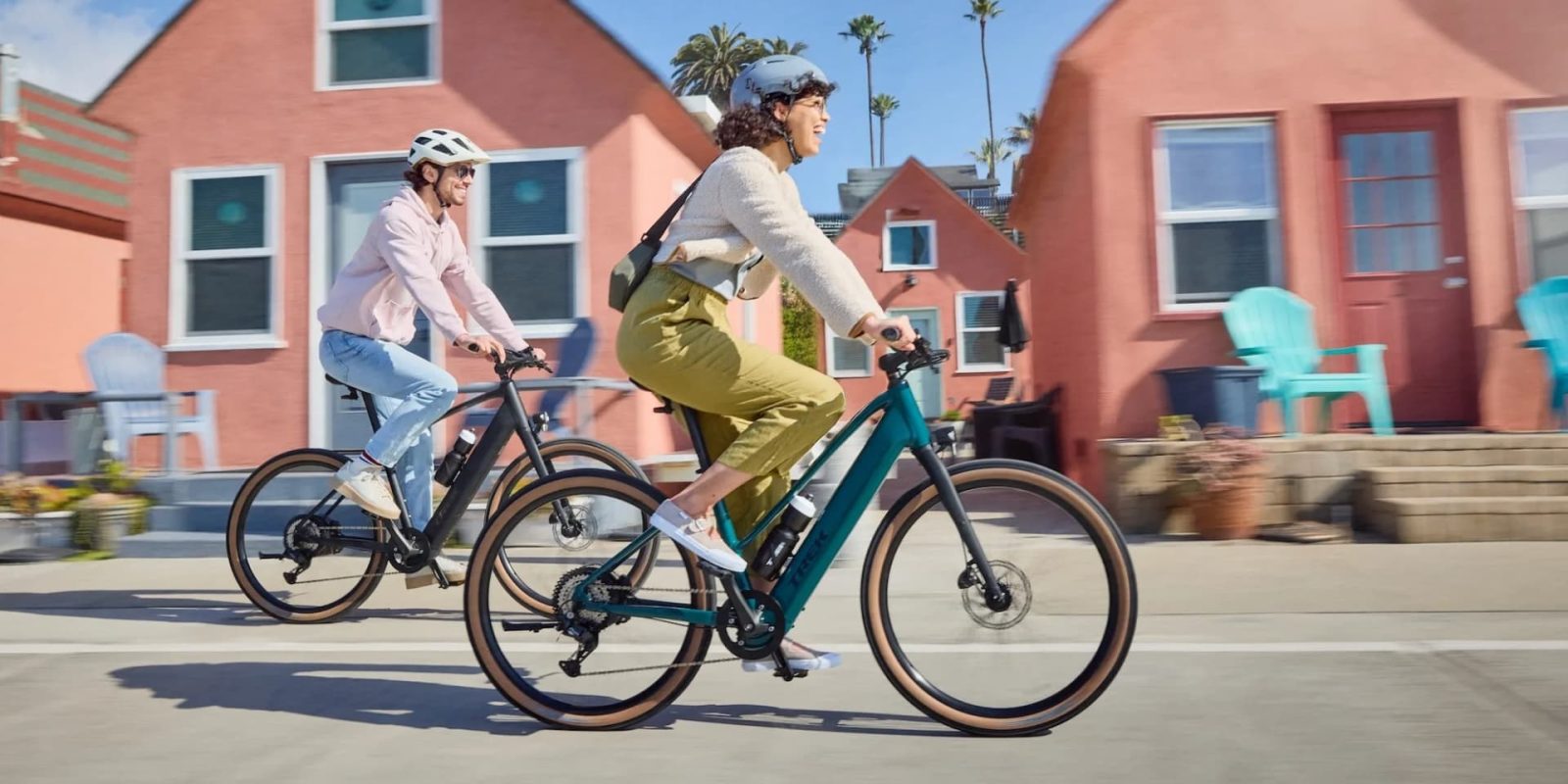
For decades, the American transportation landscape has been dominated by the internal combustion engine. However, the silent revolution of electric bikes (e-bikes) has disrupted the status quo, leaving lawmakers scrambling to catch up. A new bipartisan bill introduced in Congress marks a pivotal moment in this evolution, promising to establish a long-awaited federal framework for regulating e-bikes and similar micromobility devices across the nation. This move is not just about bureaucratic red tape; it is about the safety, accessibility, and the future of urban transit in the 21st century as we shift toward greener alternatives.
The Dawn of Federal E-Bike Regulation
The current state of e-bike law in the United States is nothing short of a confusing labyrinth. Depending on which state line you cross, your e-bike might be classified as a bicycle, a moped, or a motorized vehicle requiring a specific license and registration. This lack of uniformity has frustrated manufacturers, retailers, and riders alike, leading to a fragmented market where consumer rights are often secondary to local confusion. The new bill aims to solve this by creating a standardized classification system that would apply federally, ensuring that a Class 1 e-bike in California is treated the same way as a Class 1 e-bike in New York.
This legislation is a direct response to the explosive growth of the e-bike market. With millions of units sold annually, the need for clear guidelines on speed limits, motor wattage, and where these devices can be legally operated is paramount. By establishing a federal floor, the bill provides a foundation upon which local municipalities can build, rather than forcing them to reinvent the wheel every time a new micromobility device hits the market. This could effectively end the ‘Wild West’ era of electric scooters and bikes that has seen varying degrees of enforcement across the country.
Safety Standards or Government Overreach?
One of the primary drivers behind this bipartisan push is safety. We have seen a rise in incidents involving low-quality lithium-ion batteries and unregulated speed controllers that allow bikes to go far faster than intended. The new framework is expected to incorporate strict safety standards, potentially mandating certifications like UL 2849 for all e-bikes sold in the U.S. This would be a massive win for consumer safety, significantly reducing the risk of battery fires that have plagued major cities like New York and San Francisco in recent years.
However, some critics and hobbyists worry that federal intervention could stifle innovation or limit the power of DIY electric bike builds. There is a delicate balance between ensuring safety and allowing the industry to evolve. Sensationalists might argue that the government is trying to ‘regulate the fun’ out of cycling, but the industry’s leaders suggest that formal recognition is the only way to ensure long-term viability. Without federal backing, e-bikes remain vulnerable to sweeping bans in public parks and on multi-use paths by panicked local officials who lack a clear understanding of the technology.
How This Impacts the E-Bike Industry
The economic implications of this bill cannot be overstated. A stable regulatory environment is essential for large-scale investment. Manufacturers can now design products with the confidence that they will not be outlawed by a sudden change in local policy. Furthermore, this bill could pave the way for federal incentives, similar to those seen in the electric vehicle (EV) sector. Imagine a future where e-bike tax credits are as common as those for luxury electric sedans, making sustainable transport accessible to the working class.
For the average commuter, this means better infrastructure and more choices. If you want to learn more about the specifics of the bill, you can visit the official Electrek source to see the full legislative breakdown. The bill also addresses ‘micromobility devices’ beyond just bikes, including electric scooters and skateboards, which have often been ignored by previous transportation laws. This comprehensive approach ensures that the entire sector can grow together.
- Standardized classes for all 50 states.
- Mandatory battery safety certifications to prevent fires.
- Clearer rules for sidewalk and bike lane access.
- Potential for future federal tax credits for e-bike buyers.
The road ahead is long, and the bill still needs to pass through various committees before becoming law, but this bipartisan effort signals that Congress is finally taking the green transportation revolution seriously. Whether you are a weekend warrior on a mountain trail or a daily commuter navigating busy city streets, these new laws will shape how you move for decades to come. The era of uncertainty for e-bikes is ending, and a new age of regulated, safe, and efficient transit is finally beginning.