The Terrifying Reality of Tesla’s Vision-Impaired Marketing
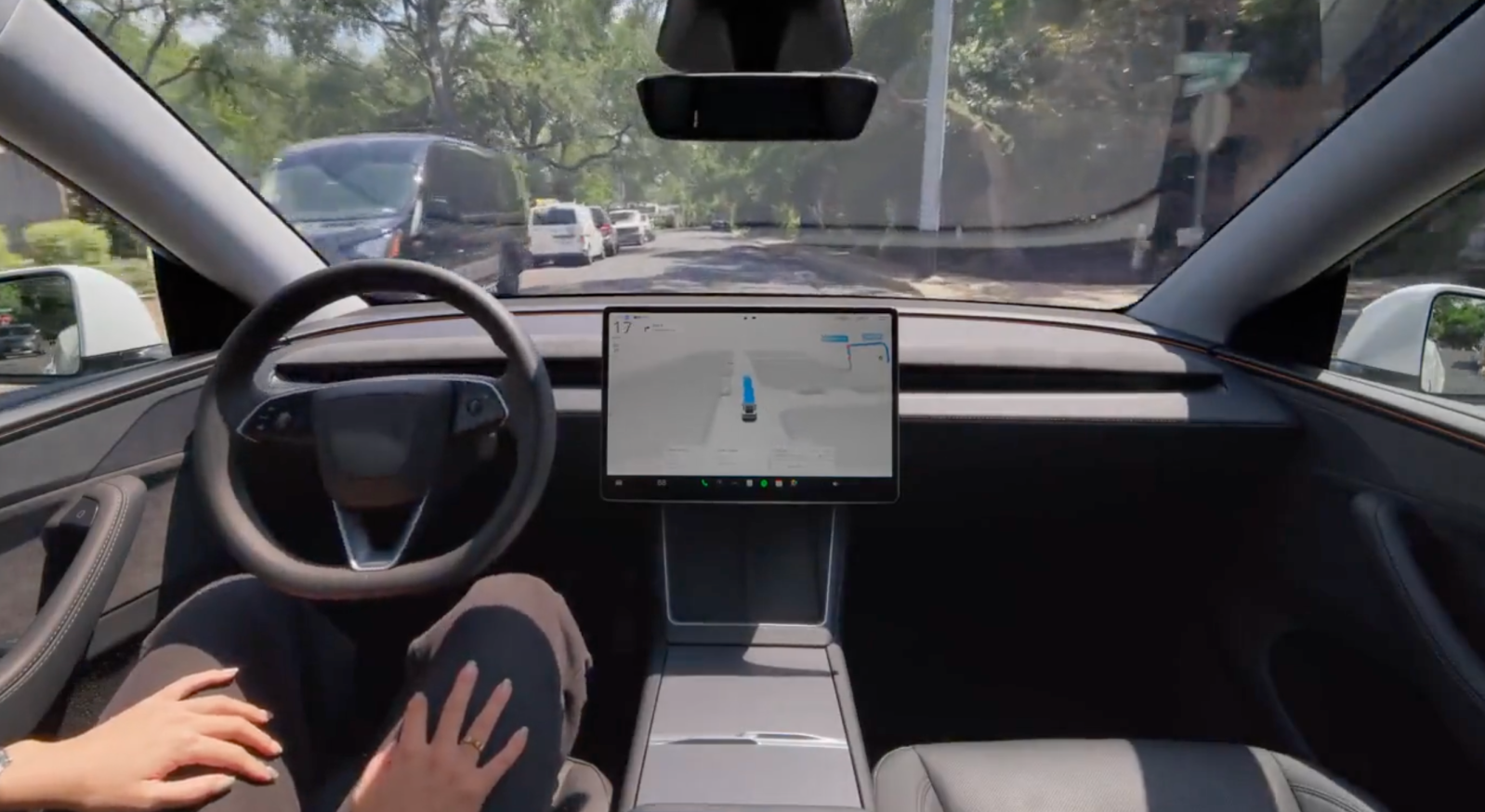
In a move that has sent shockwaves through the automotive industry and safety advocacy groups alike, Tesla North America’s official account on X recently amplified a narrative that many are calling ‘dangerously irresponsible.’ The promotional video features a new Cybertruck owner who claims his ophthalmologist specifically recommended he purchase a Tesla equipped with Full Self-Driving (FSD) capability. The reason? The owner is rapidly losing his eyesight. While this might sound like a heartwarming story of technology empowering the disabled, it hides a dark and potentially lethal contradiction that could put thousands of lives at risk on public roads.
A Blatant Contradiction in Safety Standards
The core of the controversy lies in the fundamental definition of Tesla’s ‘Full Self-Driving’ software. Despite the suggestive name, Tesla officially classifies FSD as a Level 2 driver-assist system. According to the Society of Automotive Engineers (SAE), a Level 2 system requires the human driver to remain fully engaged, with their eyes on the road and hands ready to take over at a split-second’s notice. The vehicle is not, by any legal or technical definition, autonomous. However, by promoting a testimonial where a vision-impaired individual is encouraged to use the system as a primary mobility solution, Tesla is blurring the lines between reality and dangerous fantasy.
Critics argue that if a driver cannot see the road clearly enough to pass a standard vision test for a driver’s license, they are physically incapable of performing the ‘constant monitoring’ required by Tesla’s own user manual. This creates a terrifying loophole where a driver might rely on a computer that is known to make ‘phantom braking’ errors or fail to recognize complex traffic patterns, such as emergency vehicles or construction zones. The discrepancy between what the marketing suggests and what the fine print demands is wider than ever.
Wait until you see how the National Highway Traffic Safety Administration reacts to these latest marketing tactics. Safety experts are already sounding the alarm, noting that this isn’t just a matter of poor taste, but a significant liability issue. If the software fails—as it has in numerous recorded instances—the blame falls squarely on the driver. But how can a driver take responsibility for a hazard they cannot see?
The Ethics of Level 2 Autonomous Marketing
Tesla has long been accused of using its customer base as ‘beta testers’ for unfinished software. By elevating the story of an ophthalmologist recommending FSD to a patient with failing vision, Elon Musk’s company is effectively endorsing the idea that their cars can compensate for legal blindness. This sets a precarious precedent. If more individuals with significant physical impairments begin using FSD as a workaround for their inability to drive safely, the frequency of accidents is likely to spike. The Cybertruck, with its massive weight and sharp stainless-steel edges, makes this scenario even more frightening.
- Level 2 Automation: Requires 100% human attention at all times.
- Tesla’s Promotion: Suggests FSD is a solution for vision loss.
- The Legal Reality: The driver remains legally liable for all crashes.
- The Public Risk: High-speed collisions involving unmonitored heavy vehicles.
Furthermore, the psychological impact of this marketing cannot be understated. It builds a false sense of security. When a major corporation promotes a story that ignores its own safety warnings, it signals to the public that those warnings are merely ‘legal fluff’ rather than essential life-saving instructions. The viral nature of the Cybertruck only adds fuel to the fire, as fans of the brand often defend the technology with religious fervor, often ignoring the very real technical limitations that still plague the FSD suite.
Ultimately, the intersection of disability and autonomous technology is a field that requires rigorous regulation and honest communication. By bypassing these ethical hurdles for a ‘feel-good’ social media post, Tesla is playing a high-stakes game with public safety. The question remains: how many close calls or tragedies will it take before the marketing matches the reality of the hardware? For now, the message from Tesla seems to be that as long as the stock price stays high, the safety of the vision-impaired and those they share the road with is a secondary concern. We must demand better from the companies shaping the future of transportation.