The Dawn of the Robotic Solar Revolution
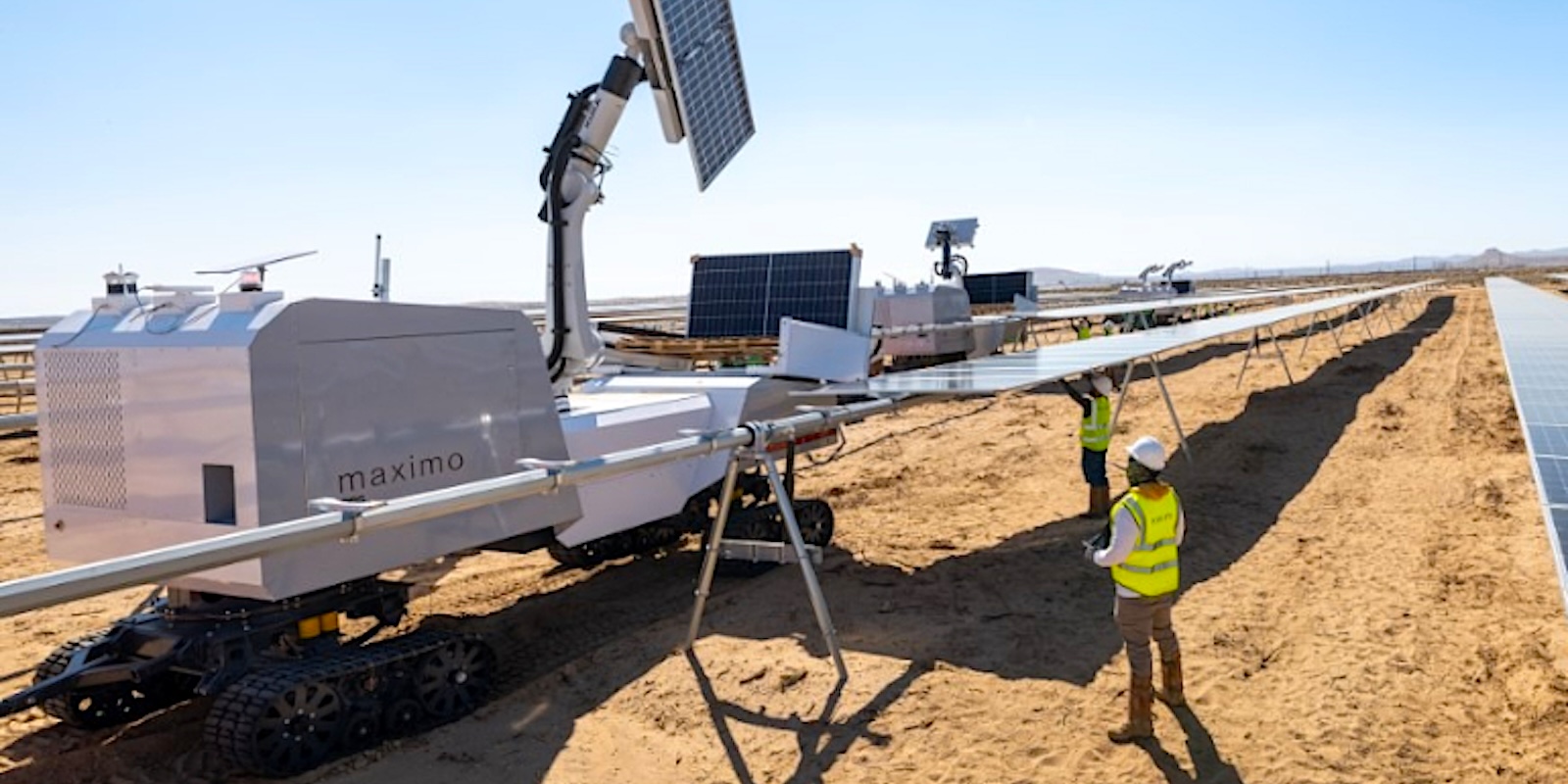
The energy world is buzzing with excitement—and perhaps a touch of existential dread—as the latest milestone in renewable energy has been achieved not by human hands, but by high-tech hydraulics and advanced algorithms. The Maximo robot, a state-of-the-art construction machine, has officially completed the installation of 100 MW of solar capacity at the massive AES Bellefield complex. This achievement marks one of the largest real-world demonstrations of construction robotics in history. The sheer scale of this deployment signals a paradigm shift in how we approach large-scale infrastructure in the 21st century.
For decades, the vision of fully automated construction sites was the stuff of science fiction. However, as the global demand for clean energy skyrockets and the labor market for specialized construction remains tight, the transition to robotic labor is moving from a luxury to a stark necessity. The AES Bellefield solar complex, located in a region known for its harsh conditions and sprawling geography, provided the perfect proving ground for Maximo. The results were nothing short of spectacular, proving that robots can handle the heavy lifting of the green transition without breaking a sweat.
The Maximo Advantage: Faster, Stronger, Smarter
Why is this a game-changer for the energy sector? Traditionally, installing 100 MW of solar capacity requires hundreds of laborers working thousands of man-hours in grueling, often dangerous heat. Human error, physical fatigue, and the inevitable logistical bottlenecks of managing a massive crew often lead to delays and safety incidents. Maximo, however, does not need water breaks, does not feel the sting of the desert sun, and performs each task with surgical precision. By leveraging a combination of computer vision, GPS mapping, and heavy-duty robotics, Maximo can place and secure solar panels at a rate that human crews simply cannot match.
- Precision alignment within millimeters to maximize energy capture.
- Continuous operation through peak daytime heat that would sidelining human crews.
- Drastic reduction in onsite injury risks by removing people from heavy lifting zones.
- Significant reduction in project timelines, allowing for faster grid connection.
The integration of Maximo into the workflow at AES Bellefield demonstrates that the ‘friendly robot’ is more than just a tech novelty. It is a critical tool for rapid deployment. As we race against the clock to meet global climate targets, the ability to scale solar fields in weeks rather than months could be the difference between success and failure in our global environmental goals. This robot isn’t just building a solar farm; it’s building the future of construction efficiency.
The End of Manual Labor in Green Energy?
While the technical success of the Maximo robot is undeniable, it raises provocative and sensational questions about the future of the human workforce. If a single robot can install 100 MW of capacity, what does that mean for the thousands of workers currently employed in solar construction? Industry experts argue that while manual installation roles may decrease, the need for skilled technicians, robot operators, and remote maintenance crews will surge. You can read more about the company’s broader vision for renewable infrastructure at the official AES website.
We are entering an era where the construction site of the future looks more like a high-tech manufacturing floor than a traditional building site. The sensational success at Bellefield is just the tip of the iceberg. As robotic technology becomes more affordable and accessible, we can expect to see a fleet of Maximo-style units deploying across the globe, from the Sahara to the Australian Outback. The revolution is here, and it is automated. The question is no longer if robots will build our power grids, but how fast we can let them take control.
The implications for the global economy are staggering. Lowering the cost of solar installation makes renewable energy even more competitive against traditional fossil fuels. This technological leap forward ensures that solar energy is not just the cleanest option, but also the most efficient to build. As Maximo moves on to its next project, the lessons learned at AES Bellefield will serve as the blueprint for the next generation of infrastructure development. This is a preview of the 21st-century economy unfolding in real-time, where the machines we built are finally building the world we need.