The Frozen Truth: Can Solar Survive the Great White North?
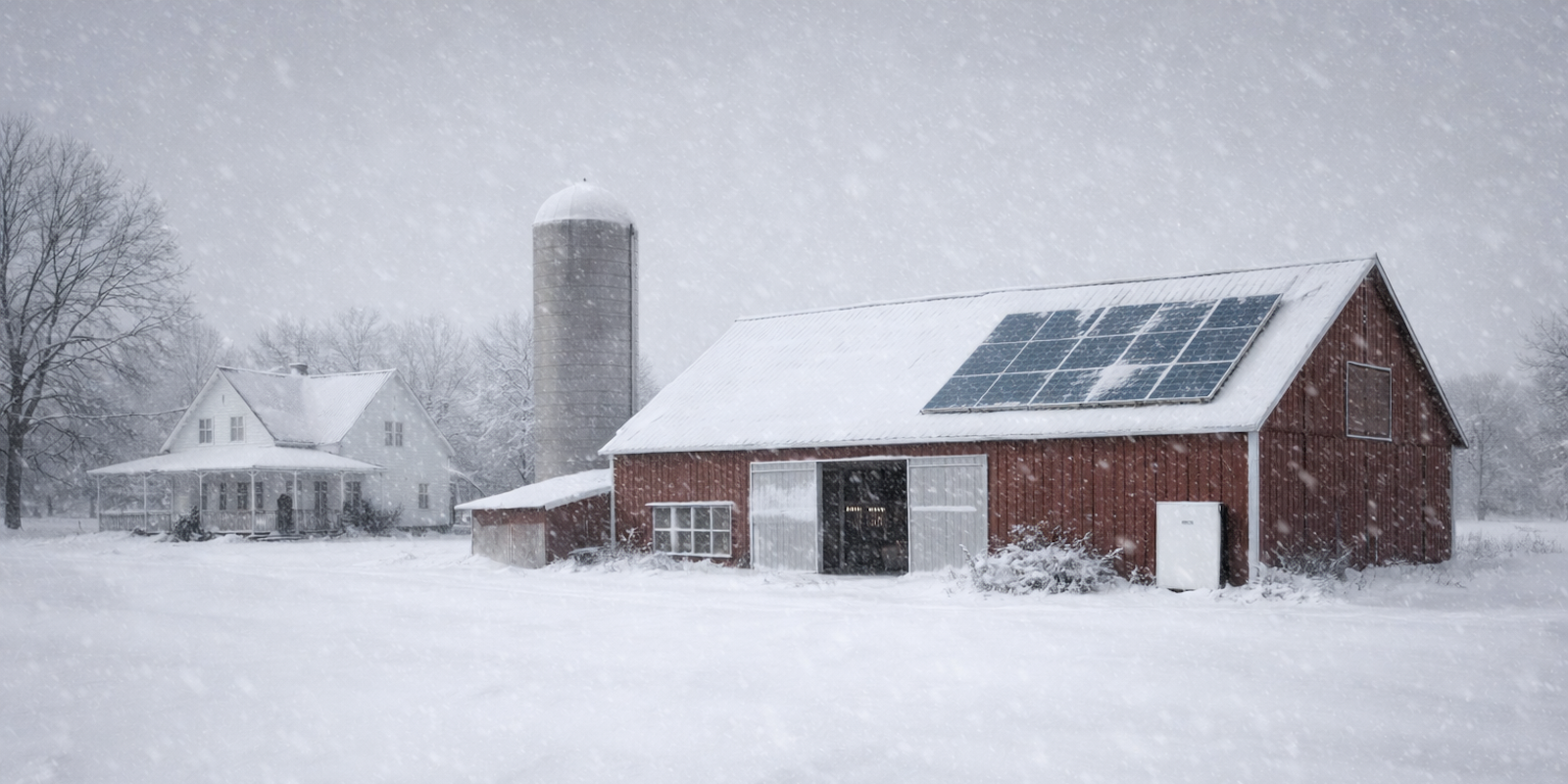
When the temperature drops to bone-chilling levels and the sun barely peeks over the horizon, most people assume that solar panels become nothing more than expensive roof ornaments. However, one brave Canadian homeowner has just shattered that misconception, releasing a treasure trove of data that is sending shockwaves through the renewable energy community. For months, critics have claimed that northern climates are the graveyard of solar efficiency, but the real-world results are finally in, and they are nothing short of miraculous. If you have ever considered going off-grid or simply lowering your utility bills, you cannot afford to ignore this evidence. The sheer volume of misinformation regarding solar performance in sub-zero temperatures is staggering, and this case study serves as a definitive debunking of the myths held by skeptics for decades.
The Data Everyone Said Was Impossible
One of the most surprising takeaways from this northern experiment is the impact of the Albedo Effect. While snow on the panels is certainly a production killer, snow on the ground acts as a giant mirror. When the sun hits a white, snowy landscape, the light is reflected back up toward the panels, often increasing the irradiance beyond what would be possible on a clear summer day. The homeowner reported that even during the shortest days of December, the system managed to generate significant power, often exceeding expectations during the peak hours of 10 AM to 2 PM. This phenomenon is often ignored by standard energy calculators, making solar appear less viable on paper than it is in reality.
Furthermore, the durability of modern solar racking systems has proven to be a match for heavy snowfall. Many people worry that the weight of a Canadian winter will crush their investment, but the engineering behind these installs is designed to withstand extreme loads. You can check the original data source to see the exact kilowatt-hour breakdowns, which reveal that even on cloudy days, diffuse light is enough to keep the battery banks charging and the lights on. It is not just about the direct sunlight; it is about the ability of high-quality monocrystalline cells to capture photons across the spectrum, even when filtered through a thick layer of clouds or fog.
Why Big Energy Does Not Want You to Know This
Utility companies thrive on the narrative that renewable energy is unreliable and seasonal. By keeping consumers locked into the grid, they maintain control over pricing and energy distribution. However, the success of this Canadian homeowner proves that energy independence is possible even in the most hostile environments. By leveraging net metering and high-efficiency panels, northern residents can actually bank credits during the sun-drenched summer months to offset any potential dips in winter production. This creates a year-round energy balance that can zero out electrical bills entirely, a fact that threatens the traditional revenue models of massive power conglomerates.
The viral nature of this story is a testament to the growing desire for sustainable living. We are seeing a shift in the cultural zeitgeist where the impossible is becoming the standard. If a homeowner in the frozen reaches of Canada can generate enough power to sustain their lifestyle during a bleak winter, what is stopping the rest of us? The data is clear: the winter sun is a powerful ally, not a foe. It is time to stop listening to the myths and start looking at the cold, hard numbers. Solar energy isn’t just for the desert; it is a global solution that works even when the world is covered in ice. As the technology continues to advance, we can only expect these results to get better, making the switch to solar a logical choice for anyone, anywhere, regardless of the latitude.
- Cold temperatures improve panel efficiency by reducing electrical resistance.
- The Albedo effect from snow can boost light absorption significantly.
- Modern racking systems are built to handle the heaviest Canadian snow loads.
- Energy independence is achievable even in regions with short winter days.