The automotive landscape was recently set ablaze by a single statement from Elon Musk, the mercurial visionary behind Tesla. In a move that has sent ripples through the suburban landscape and the electric vehicle community alike, Musk has promised something entirely revolutionary: a vehicle that is ‘cooler than a minivan.’ For years, families have been begging for a high-capacity Tesla that goes beyond the SUV dimensions of the Model X. Now, it seems the ‘Cyber-van’ or ‘Tesla Multi-Purpose Vehicle’ is no longer just a fever dream of concept artists, but a cornerstone of Tesla’s future lineup. However, this announcement comes with a significant caveat that has industry analysts worried about the availability of this secret project.
The Death of the Minivan: Musk’s Boldest Prediction Yet
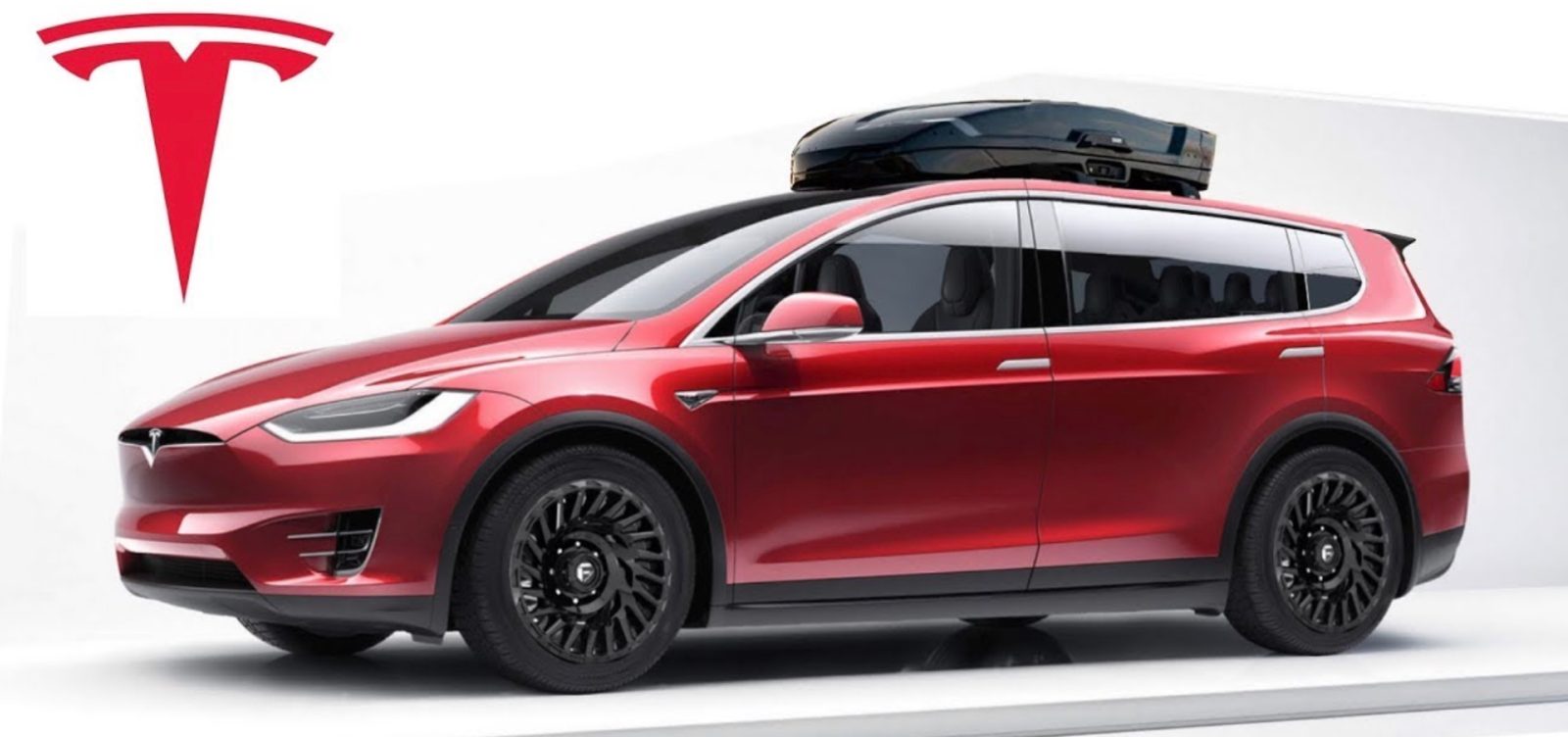
The minivan has long been the pariah of automotive style. While unparalleled in utility, it has lacked the ‘cool factor’ that Tesla has meticulously cultivated over the last decade. Musk’s assertion that Tesla can make something ‘cooler’ is not just a marketing claim; it is a challenge to the entire design philosophy of family transport. By utilizing the Tesla skateboard architecture, the engineering team can maximize interior volume without the bulky, boxy exterior that plagues traditional vans. Imagine a vehicle with the sleek, aerodynamic profile of a Model S but the cavernous interior of a commercial transit van. This is the promise that is currently captivating the market.
The rumored vehicle is expected to leverage advanced materials, possibly the ultra-hard cold-rolled stainless steel developed for the Cybertruck. This would not only provide a futuristic aesthetic but would also offer unmatched safety for families. Furthermore, the interior is whispered to feature a modular design. Instead of fixed rows of seats, the new Tesla electric van could potentially feature rotating lounge seats, integrated work surfaces, and massive entertainment screens, turning a boring school run into a mobile gaming or productivity session.
Breaking the Boring Family Mold with High-Tech Innovation
What makes a Tesla ‘cooler’ than a traditional minivan? It starts with the tech stack. While a Honda Odyssey offers vacuum cleaners and drop-down screens, Tesla is integrating a level of autonomy that changes the fundamental relationship between the driver and the vehicle. With the latest iterations of Full Self-Driving (FSD), this vehicle could potentially operate as a private shuttle where the ‘driver’ is simply another passenger. This is the shift from driving to being transported, a core tenet of Musk’s long-term vision.
- Proprietary Falcon Wing door evolution for easy access in tight parking spaces.
- Over 400 miles of range on a single charge to eliminate range anxiety on family vacations.
- A 17-inch cinematic display with a powerful gaming computer built-in.
- Bioweapon Defense Mode with HEPA filtration for a clean cabin environment.
- Full integration with the Tesla app for remote climate control and security monitoring.
The TaaS Pivot: Why You Might Not Be Able to Buy One
However, there is a sobering reality behind the hype. Elon Musk has recently emphasized that Tesla is transitioning into a ‘transportation as a service’ (TaaS) company. This pivot means that the company is greatly limiting new vehicle programs that don’t directly feed into the Robotaxi ecosystem. The ‘something cooler than a minivan’ might not be a vehicle you can purchase for your own garage. Instead, it could be the flagship vehicle for an autonomous ride-hailing network. By reducing the number of individually owned cars, Tesla aims to increase the efficiency of global transport.
This strategic shift is visible in how Tesla is allocating its R&D budget. The priority is no longer just making a car for everyone; it is about creating a fleet of autonomous pods. You can find more details on this transition and the future of Tesla vehicle programs through industry analysts who are tracking the shift. If this project is part of the Robotaxi fleet, it may feature a layout optimized for durability and rapid passenger turnover rather than personal customization.
In conclusion, Elon Musk’s teaser has ignited a firestorm of speculation. Whether we see a retail version of a Tesla van or a specialized TaaS vehicle, the standard for family transportation is about to be raised. The era of the boring minivan is coming to an end, replaced by something faster, smarter, and undeniably cooler. The world waits with bated breath for the next big update to see how this secret vehicle fits into the puzzle of a sustainable energy future.