The automotive and technology worlds are reeling following the explosive release of new site plans for Tesla’s Giga Texas campus. Elon Musk is not just building a car factory; he is constructing a self-sustaining empire in the heart of the Lone Star State. Recent filings with Travis County have confirmed that the visionary billionaire is moving forward with the highly anticipated Terafab North Campus and the long-promised ecological paradise along the Colorado River. This is not just an incremental upgrade; it is a total transformation of 2,500 acres of Austin land into a futuristic hub of innovation that will define the next century of manufacturing.
The filings, submitted on March 13 to the Travis County Fire Marshal, outline a massive logistical undertaking. This expansion signals Tesla’s absolute commitment to vertical integration and local manufacturing at a scale never before seen in the United States. With billions of dollars at stake, the Terafab project represents a pivotal moment for both the electric vehicle industry and the global supply chain, positioning Texas as the undisputed epicenter of the EV revolution.
Elon Musk’s Vision for Giga Texas: The Terafab Revolution
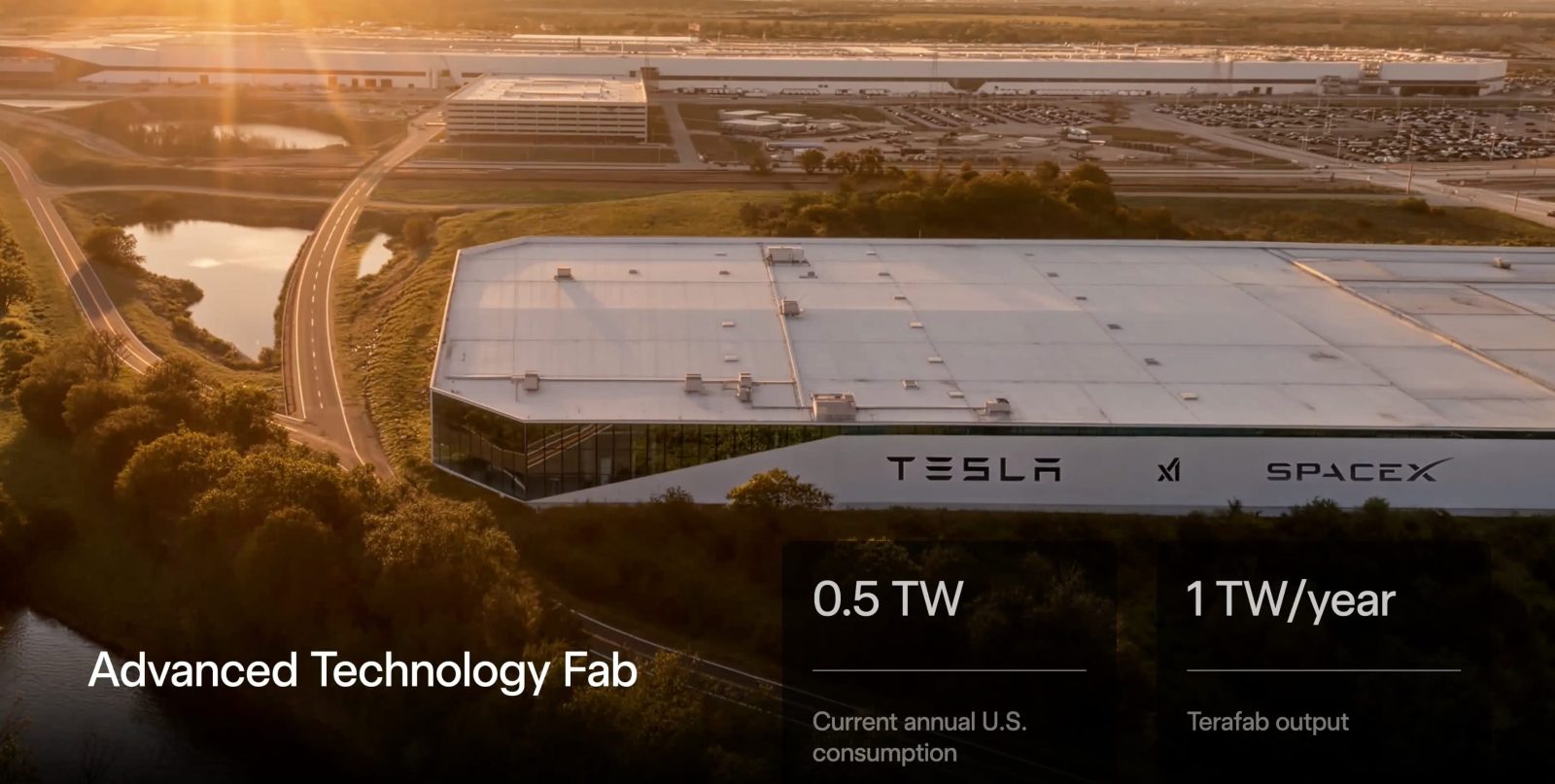
The centerpiece of this massive expansion is the Terafab North Campus. While Giga Texas is already recognized as one of the largest buildings on the planet, the new filings suggest that Musk is far from finished. The Terafab is expected to handle next-generation manufacturing processes that will solidify Tesla’s lead in the EV market indefinitely. Industry insiders suggest that this facility will focus on advanced battery production and the integration of robotics that could revolutionize how consumer electronics and vehicles are assembled.
Reports indicate that the investment for this specific section of the campus could reach a staggering $20 billion. This capital injection will not only create thousands of high-tech jobs but will also cement Austin as the new Silicon Valley of the South. The sheer scale of the construction is mind-boggling, requiring intricate infrastructure planning for water, electricity, and fire safety systems to support a workforce larger than many small cities. This is where the future of Tesla is being forged, with the Terafab serving as the heartbeat of the entire operation.
The Terafab North Campus: A $20 Billion Powerhouse
According to documents originally reported by The Real Deal, the ‘Tesla North Campus’ is a strategic move to accommodate the company’s aggressive growth trajectory. As Tesla moves toward mass-producing the Cybertruck and the upcoming $25,000 ‘next-gen’ vehicle, it requires a manufacturing footprint that matches its global ambitions. The filings reveal that the expansion isn’t just about floor space; it’s about specialized infrastructure designed to maximize efficiency.
The North Campus will likely act as a secondary engine for the main factory, handling specialized components that were previously outsourced or produced in smaller, less efficient quantities. By bringing everything under one roof—or rather, within one massive 2,500-acre site—Tesla can reduce costs and increase the speed of production exponentially. This is the hallmark of the Musk philosophy: cut the middleman, eliminate the logistics friction, and build it yourself from the ground up.
From Industrial Hub to Ecological Paradise
But it’s not all concrete, steel, and high-tech machinery. Musk has famously promised that Giga Texas would eventually become an ‘ecological paradise’ open to the public. The latest plans confirm that Tesla is looking to revitalize the area along the Colorado River, turning what was once a barren industrial landscape into a lush, green sanctuary. This includes hiking trails, boardwalks, and green spaces that will contrast sharply with the industrial power of the Terafab, offering a glimpse into a sustainable future.
Tesla aims to prove that heavy industry can coexist with nature. The ecological paradise will serve as a buffer zone and a community asset, providing Austin residents with a unique look at how technology and the environment can merge harmoniously. Plans mention reforestation efforts and the preservation of local wetlands, which will likely utilize Tesla’s own proprietary water filtration and sustainable energy solutions. Key features of the new development include:
- A massive 2,500-acre master-planned campus designed for maximum output.
- Direct public access to the Colorado River for the proposed ecological park.
- State-of-the-art fire safety infrastructure for the mission-critical Terafab facility.
- Significant upgrades to local transit routes to accommodate the growing workforce.
- Integrated solar and battery storage solutions to power the entire site sustainably.
As the project moves forward, Travis County officials and environmentalists alike will be watching closely. The scale of the Terafab is so vast that its environmental impact must be managed with extreme precision. However, if Tesla succeeds, Giga Texas will be more than just a factory; it will be a blueprint for the future of sustainable manufacturing worldwide. The ‘Tera-era’ has officially begun in Austin, and the world is waiting with bated breath to see what Elon Musk builds next.