The Shocking Reality of Toyota’s $1 Billion EV Bet
The automotive industry is currently witnessing a tectonic shift as Toyota, the world’s largest carmaker by volume, has officially announced a staggering $1 billion investment into its American manufacturing footprint. This move, which includes a massive $800 million allocation specifically for its Kentucky operations, signals that the Japanese giant is finally ready to stop playing catch-up and start leading the electric vehicle (EV) revolution. For years, critics argued that Toyota was lagging behind pioneers like Tesla, but this latest injection of capital suggests a massive ‘sleeping giant’ has finally awoken. This is more than just a business update; it is a seismic event in the global transition to sustainable transportation.
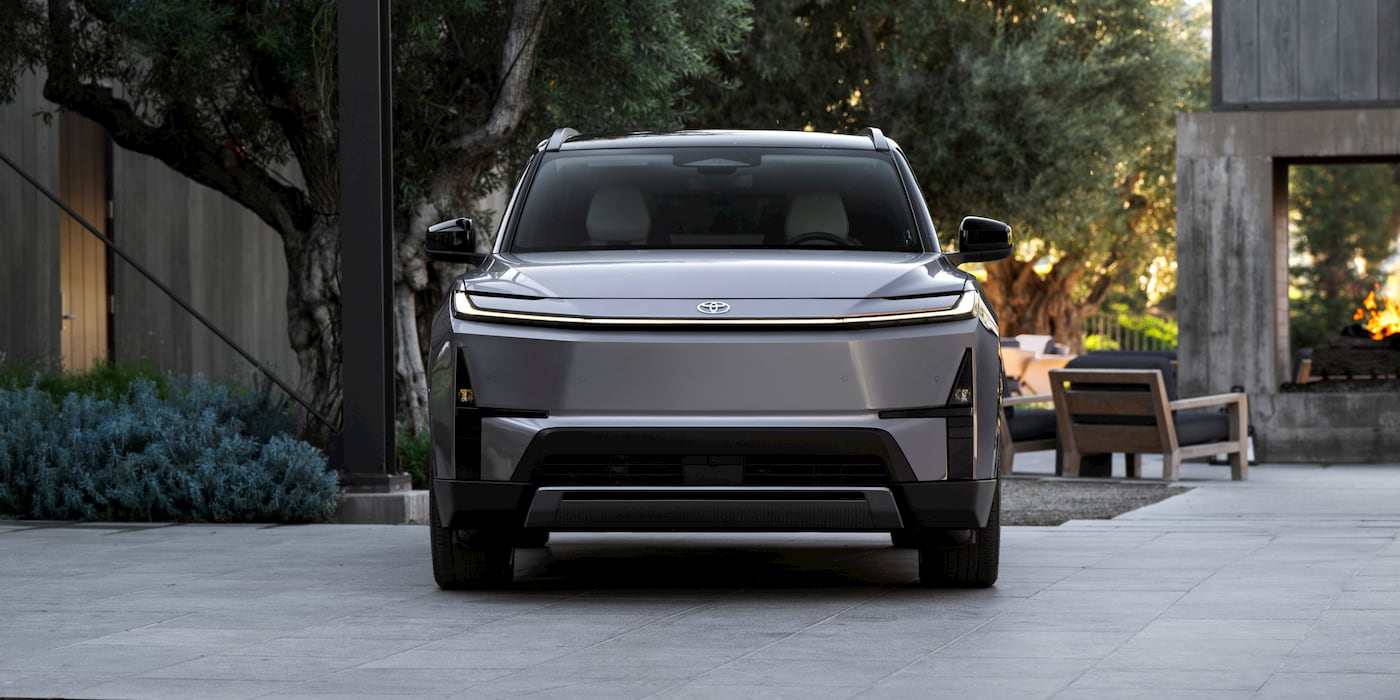
The centerpiece of this announcement is the production of Toyota’s second battery-electric vehicle (BEV) to be manufactured on United States soil. This follows the previously announced three-row electric SUV, often rumored to be an electric variant of the legendary Highlander. By doubling down on Kentucky, Toyota is not just building cars; they are building a legacy of domestic innovation that could redefine what American-made quality looks like in the green energy era. Fans of the brand have long awaited a robust electric lineup, and it appears the wait is nearing its end.
Kentucky: The New Hub for Electric Dominance
The $800 million earmarked for the Kentucky plant isn’t just for a few new robots on the assembly line. This is a comprehensive overhaul designed to integrate advanced EV manufacturing capabilities into one of the most productive automotive plants in the world. The Kentucky facility has long been the heart of Toyota’s US operations, and now it is being positioned as the vanguard of the brand’s global electrification strategy. The sheer scale of this investment indicates that Toyota is preparing for high-volume production, moving away from niche EV projects to mass-market dominance.
This second US-made EV is expected to be a game-changer. While details on the specific model remain closely guarded, industry insiders speculate that it will target a high-volume segment, potentially a compact SUV or a mid-size sedan that could directly compete with the growing lineup of electric competitors. The focus is clear: scalability, reliability, and accessibility. Toyota knows that to win the EV war, it must provide vehicles that the average American family can afford and trust for a decade or more. This strategic pivot ensures they maintain their market share while enticing a new generation of eco-conscious drivers.
Furthermore, the remaining $200 million of the investment is slated for general facility upgrades across other US locations. This suggests a holistic approach to modernization, ensuring that every cog in the Toyota machine is greased and ready for a future that doesn’t rely on internal combustion engines. From logistics to part sourcing, Toyota is rebuilding its infrastructure from the ground up to support a zero-emissions future.
Why This Changes Everything for American Drivers
The ripple effects of a $1 billion investment extend far beyond the walls of a factory. For American drivers, this means more choices in a market that has been dominated by a few key players for too long. Toyota’s entry into localized EV production at this scale will likely drive down prices through increased competition and improved supply chain logistics. We are looking at a future where high-quality, long-range electric vehicles are no longer luxury items but everyday tools for the working class.
- Increased domestic job security for thousands of Kentucky workers and associated suppliers.
- Faster delivery times for US customers seeking electric Toyotas without overseas shipping delays.
- Potential eligibility for federal tax credits under the Inflation Reduction Act, making these EVs significantly more affordable.
- A boost to local infrastructure as Toyota partners with regional energy providers to support the massive manufacturing needs.
- Enhanced innovation in battery technology and thermal management systems specifically tuned for American roads.
Moreover, this move solidifies the United States as a critical battleground for the future of mobility. By investing heavily in US-made EVs, Toyota is shielding itself from global supply chain volatility and geopolitical tensions. They are betting on the American worker and the American consumer. As we look toward 2026 and beyond, the question is no longer whether Toyota will join the EV race, but how quickly they will dominate it. With a $1 billion war chest and a laser focus on Kentucky, the automotive world is officially on notice. The ‘Toyota way’ is going electric, and the results are going to be nothing short of revolutionary.