
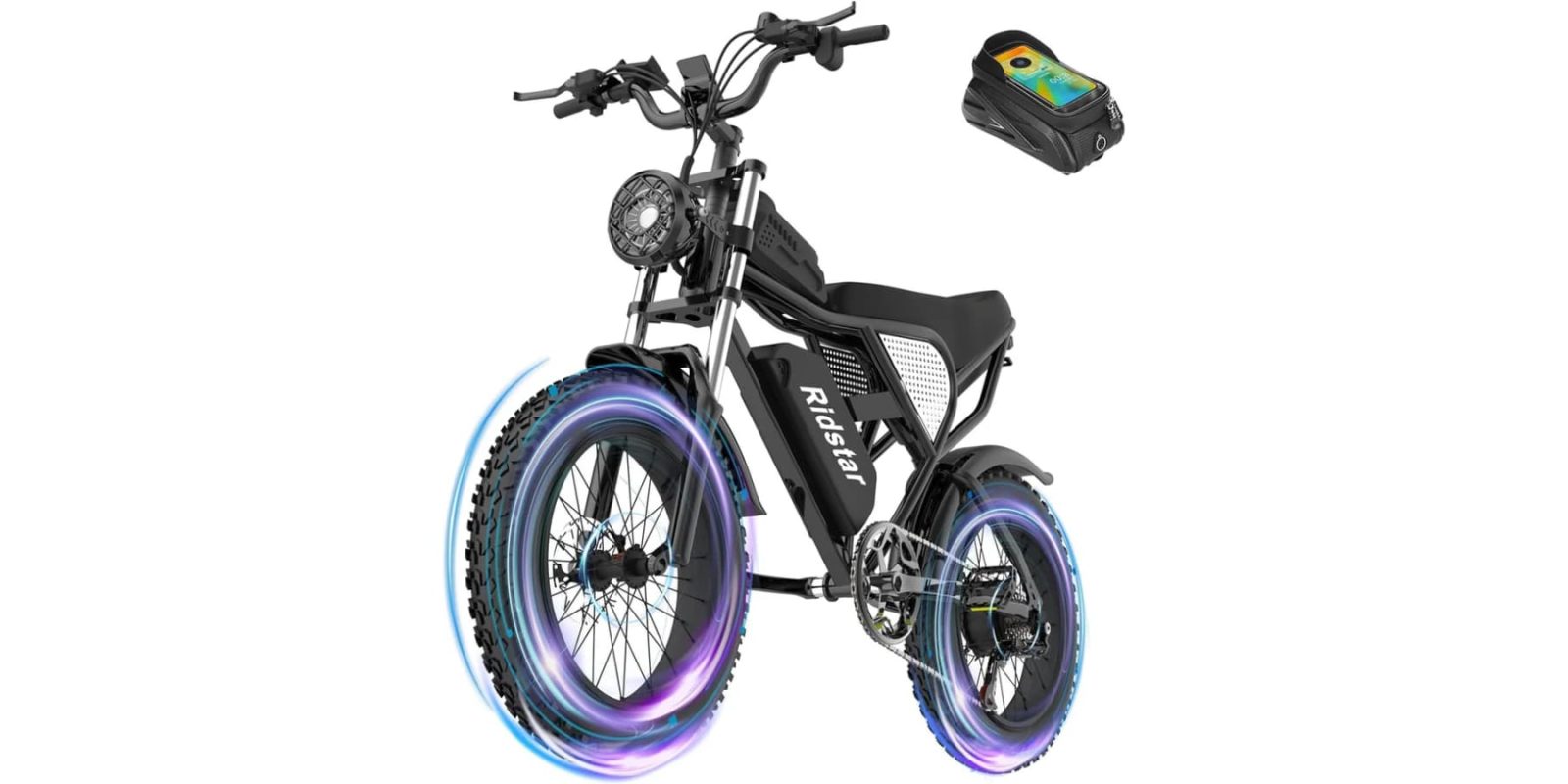
A Ticking Time Bomb in Your Garage: The Ridstar Crisis
The dream of affordable urban mobility has turned into a terrifying nightmare for thousands of electric bike enthusiasts across the United States. In a move that has sent shockwaves through the cycling community, the Consumer Product Safety Commission (CPSC) has issued a ‘Stop Use’ order for the Ridstar Q20 and Q20 Pro electric bikes. This isn’t just a minor technical glitch or a cosmetic flaw; this is a full-blown emergency involving lithium-ion batteries that are prone to spontaneous combustion and catastrophic failure.
For many riders, these bikes represented freedom and a green alternative to cars. However, that freedom now comes with a deadly price. The federal government’s warning is one of the most severe ever issued in the personal transport sector, highlighting a level of risk that cannot be ignored. If you have one of these machines parked in your hallway or garage, you may be sleeping next to a volatile hazard that could ignite without a second’s notice.
Why the Ridstar Q20 is a High-Stakes Hazard
The Ridstar Q20 series has been a top seller on various third-party marketplaces and discount sites due to its aggressive moped-style aesthetic and budget-friendly price point. However, investigators have found that the internal battery systems of these specific models often lack the necessary safety certifications and thermal management protocols required to prevent ‘thermal runaway.’ This is a terrifying chemical reaction where a battery cell starts to overheat uncontrollably, leading to explosive fires that release toxic fumes and are notoriously difficult for firefighters to extinguish.
Reports have surfaced of these bikes catching fire while charging, and in some more harrowing accounts, while simply being stored inside residential dwellings. For many owners, their e-bike is parked in a hallway or near a front door—places where a fire can quickly cut off primary exit routes for families. The CPSC’s warning is unambiguous and chilling: do not ride these bikes, do not charge these bikes, and for the love of safety, do not keep them inside your home or any attached structure.
The Manufacturer’s Defiance: A Betrayal of Public Safety
What makes this situation truly unprecedented and deeply disturbing is the response—or lack thereof—from the manufacturer. In the vast majority of cases where the CPSC identifies a life-threatening flaw, the company in question works hand-in-hand with federal regulators to facilitate a recall, offer repairs, or provide refunds. However, in this instance, Ridstar has reportedly refused to cooperate with a voluntary recall program. This defiance leaves consumers in a legal and financial limbo, stuck with dangerous property that is effectively worthless.
This ‘ghosting’ of federal safety standards is a major red flag for the entire e-bike industry. It highlights a massive loophole where international sellers can flood the market with cheap, uncertified electronics and then retreat when things go wrong, leaving the American public to deal with the fallout. You can read the original reporting on this developing story at Electrek, where the full extent of the manufacturer’s refusal is detailed.
Experts are now calling for stricter enforcement on imports and marketplace liability. If a company can ignore the CPSC, what stops others from selling fire hazards to unsuspecting families? If you own a Ridstar Q20 or Q20 Pro, you are essentially sitting on a ticking time bomb. The risk of house fire, property loss, and personal injury is far too high to ignore. While it is frustrating to lose an investment of hundreds or thousands of dollars, your life and your home are worth more than a budget e-bike. The advice from safety experts is clear: move the bike to a safe, outdoor location away from combustible materials and await further instructions from local hazardous waste disposal centers regarding how to safely scrap the unit.
Ultimately, this scandal serves as a grim reminder: if an e-bike deal seems too good to be true, the hidden costs might be life-changing. Always look for UL-certified batteries and purchase from brands that stand behind their products with transparent safety records. Until Ridstar takes accountability, the Q20 remains one of the most dangerous consumer products currently on the streets.