The construction industry, often criticized for its slow adoption of cutting-edge technology, is currently witnessing a seismic shift that could forever change how our cities are built. Bedrock Robotics, a trailblazing startup in the autonomous heavy machinery space, has just announced the successful closing of a staggering $270 million Series B funding round. This massive infusion of capital brings the company’s total investment to over $350 million, signaling a profound vote of confidence from the venture capital community in the future of self-driving construction equipment and the elimination of human error on the job site.
The Massive $270 Million Series B Round
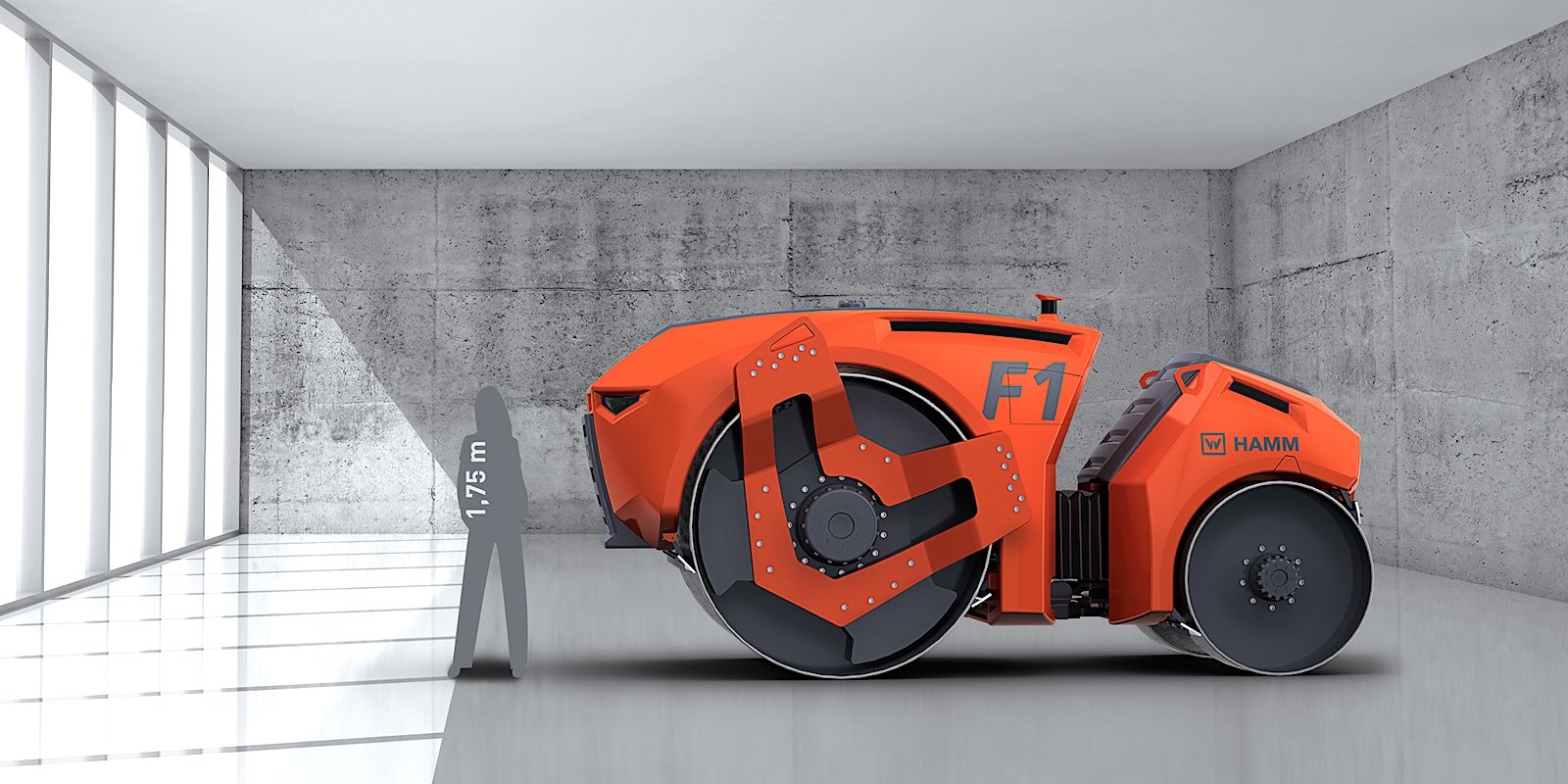
This latest funding round wasn’t just a minor victory; it was a loud declaration that the age of manual labor in heavy infrastructure is nearing its end. Bedrock Robotics has positioned itself as the leader in the automated job site movement. The $270 million will be primarily used to scale production of their self-driving rollers and excavators, which are already being deployed on select pilot projects across North America. Investors are flocking to this sector because the efficiency gains are simply too significant to ignore. In an era where labor shortages are crippling development, a machine that never tires, never takes a lunch break, and operates with millimeter precision is the ultimate solution for developers and taxpayers alike.
The implications of this investment are vast. We aren’t just talking about a few robots on a site; we are talking about a complete ecosystem where machines communicate with one another to optimize grading, paving, and excavation. Bedrock’s technology utilizes a sophisticated array of LiDAR, radar, and GPS sensors to navigate complex environments without human intervention. This isn’t just about saving money; it’s about safety. By removing humans from the immediate vicinity of heavy, moving machinery, Bedrock Robotics is effectively eliminating some of the most common causes of workplace fatalities in the construction sector. The future is autonomous, and it is happening much faster than anyone predicted.
Why Investors Are Betting Big on Self-Driving Rollers
Soil compaction and asphalt rolling might seem like simple tasks, but they are critical to the longevity of roads and foundations. A human operator might overlap passes inefficiently or miss a spot entirely, leading to structural failures years down the line. Bedrock’s autonomous rollers ensure 100% coverage with optimized patterns that reduce fuel consumption and wear and tear. This level of consistency is exactly what large-scale infrastructure developers are looking for. The startup’s ability to prove that their machines can outperform veteran operators in both speed and accuracy is what drove the Series B valuation to such heights.
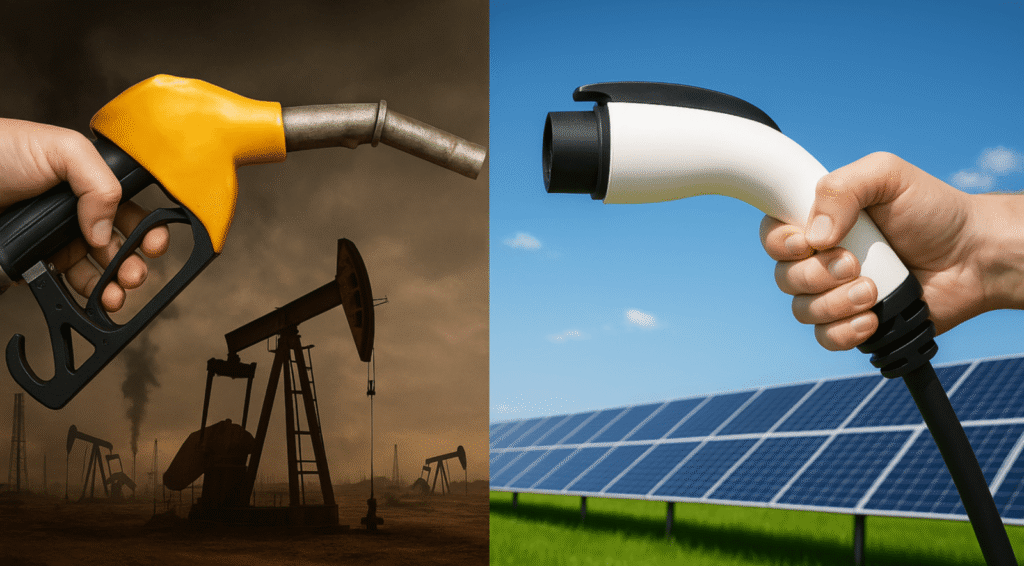
Furthermore, the integration of electric drivetrains into these autonomous units makes them even more attractive. As the world pushes toward net-zero emissions, the construction industry is under intense pressure to decarbonize. According to reports from Electrek, the transition to electric heavy machinery is accelerating, and Bedrock is at the forefront of this green revolution. Their machines are designed to be electric-first, meaning they aren’t just retrofitted diesel engines; they are purpose-built machines designed for the high-torque demands of excavation and rolling without the carbon footprint of traditional machinery.
The End of Human Operators? The Tech Behind the Excavators
- Real-time kinematic (RTK) GPS for centimeter-level positioning and mapping.
- Advanced computer vision capable of identifying site hazards and human workers in milliseconds.
- Cloud-based fleet management that allows one person to monitor dozens of machines simultaneously.
- Modular hardware that can be serviced quickly in the field to minimize downtime.
While some fear that this technology will lead to massive unemployment among heavy equipment operators, Bedrock Robotics argues that it is actually solving a critical labor gap. The industry is currently facing a shortage of hundreds of thousands of qualified operators. By automating the repetitive and dangerous tasks, the remaining workforce can transition into higher-level roles, such as fleet managers and site coordinators. The smart job site of the future won’t be empty; it will be a high-tech hub where humans and AI work in perfect synergy to build the infrastructure of tomorrow. In conclusion, the $270 million Series B round for Bedrock Robotics is more than just a financial milestone. It is a harbinger of the inevitable automation of the physical world. As these self-driving excavators and rollers begin to populate construction sites globally, we will see faster project timelines, lower costs, and significantly safer working conditions. The $1.75 billion future of self-driving asphalt is no longer a dream; it is currently being paved by Bedrock Robotics.