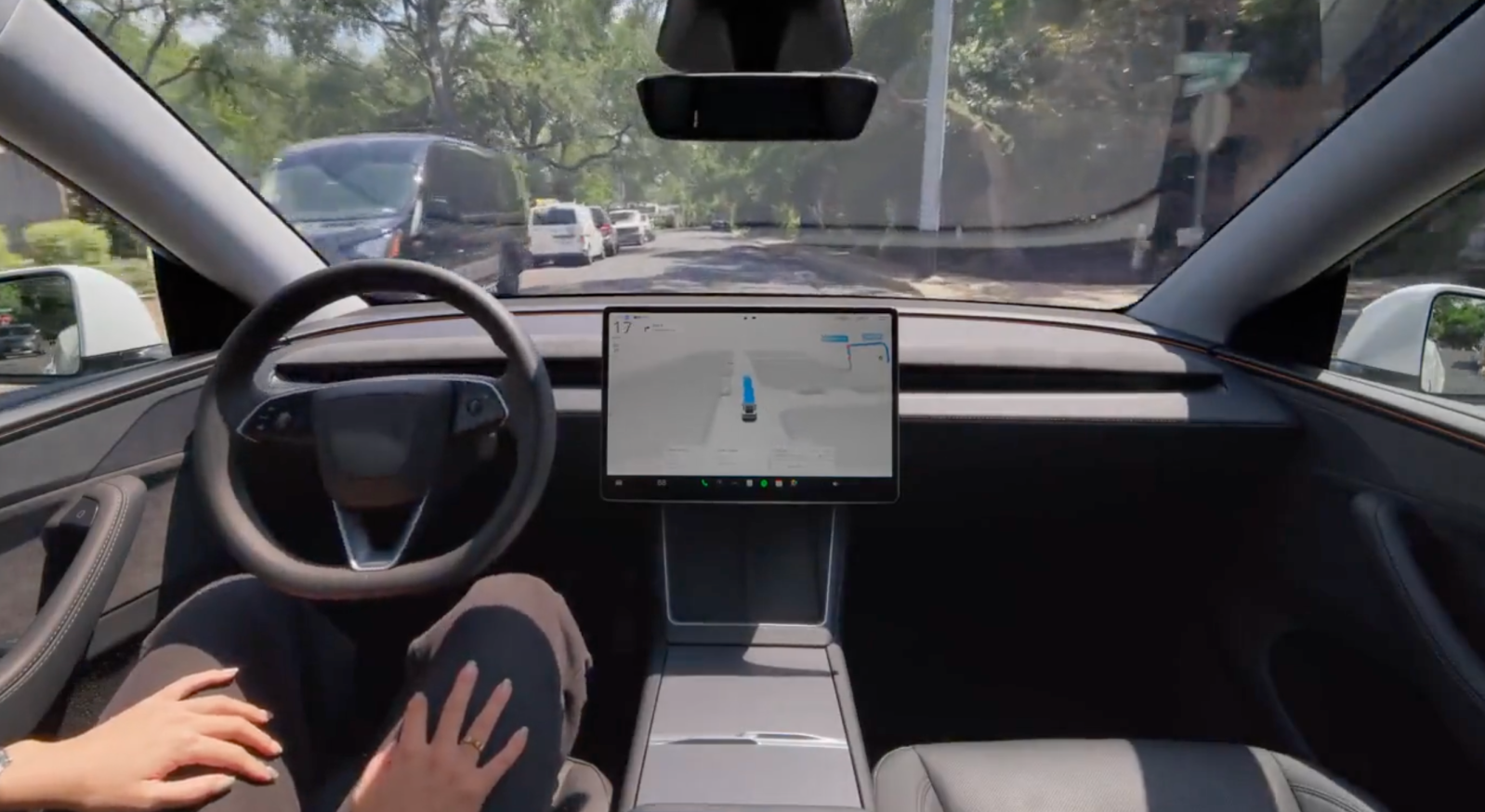
The automotive world is in a state of absolute shock today as Tesla’s ambitious timeline for Full Self-Driving (FSD) in Europe has suffered yet another devastating blow. For years, European Tesla enthusiasts have watched from the sidelines as their American counterparts navigated streets with hands-free technology. Now, just as the finish line seemed to be in sight, the goalposts have been moved once again, leaving thousands of owners wondering if their cars will ever truly drive themselves. What was supposed to be a triumphant entry into the Netherlands has turned into a waiting game that highlights the brutal friction between Silicon Valley innovation and rigid European bureaucracy.
Tesla’s Self-Driving Dream Hits a Massive Wall in Europe
Tesla’s European arm officially announced today that while vehicle testing for Full Self-Driving (Supervised) in the Netherlands is technically complete, the celebration has been cut short. The anticipated approval date, originally set for March 20, has officially slipped to April 10. While a few weeks might seem like a minor administrative hiccup, industry insiders suggest this delay is indicative of much deeper tensions between Tesla’s engineering team and the RDW, the Netherlands’ vehicle authority. The RDW is known for its uncompromising safety standards, and any deviation from their strict protocols can lead to months of back-and-forth negotiations.
This news is a bitter pill for Elon Musk’s fan base, especially considering the aggressive marketing of the FSD package over the last several years. For many, this isn’t just a delay—it’s a sign that the ‘Supervised’ version of the software is facing unprecedented scrutiny regarding its ability to handle the complex, cyclist-heavy infrastructure of Dutch cities. If Tesla cannot conquer the Netherlands, a country generally known for being tech-forward, the rest of the continent remains a distant dream. Experts are now questioning whether the hardware currently installed in millions of vehicles is truly ready for the diverse and chaotic roads of the European Union.
The Netherlands Setback: Why April 10 is the New Target
Why the delay? Sources close to the situation suggest that while the vehicle testing phase is ‘complete,’ the documentation and validation of the AI’s edge-case handling are still being scrutinized. The shift from March 20 to April 10 represents a critical window where Tesla must prove that its neural networks can prioritize safety in a way that aligns with EU law. Unlike the United States, where ‘beta’ testing on public roads is more widely tolerated, European regulators demand a proactive proof of safety that is notoriously difficult to satisfy. This delay serves as a warning shot to all autonomous vehicle manufacturers: the road to European roads is paved with red tape.
Furthermore, the delay impacts the morale of the local Tesla workforce. Completing the testing was supposed to be the final hurdle. To have the approval date moved at the eleventh hour suggests that regulators may have found a ‘grey area’ in the data that requires further clarification. This is a classic case of a tech giant meeting an immovable object in the form of European safety mandates. If you want to see the latest updates on Tesla’s global progress, check out Electrek for breaking news. The community is currently buzzing with theories, but the reality is simple: the software is ready, but the legal framework is not.
The Summer of Waiting: Broader EU Rollout Postponed
Perhaps the most sensational part of today’s announcement isn’t the three-week delay in the Netherlands, but the admission that a broader EU-wide approval is now not expected until ‘the summer.’ This vague terminology is a PR tactic often used to mask significant logistical hurdles. In the world of international regulation, ‘summer’ can easily bleed into autumn or even next year. This is a massive setback for Tesla’s strategy to dominate the European EV market, as rivals like Mercedes-Benz and BMW are already pushing forward with their own Level 3 autonomous systems, which have already secured limited approvals in Germany.
- Testing in the Netherlands is officially complete, but lacks legal signatures.
- The new approval date of April 10 is considered a ‘soft’ target by skeptics.
- Broader EU rollout is effectively pushed back by several months.
- Regulatory friction remains the primary obstacle for FSD Supervised.
The implications of this delay reach far beyond the borders of the Netherlands. Every other EU nation looks to the Dutch authorities as a bellwether for automotive technology. If the RDW remains hesitant, countries like France, Italy, and Spain are likely to follow suit, creating a domino effect of delays that could stall Tesla’s autonomous ambitions for years. For the average consumer who paid upwards of €7,500 for the FSD suite, the wait continues. Is the technology truly ready, or are we witnessing the limits of what AI can do under the watchful eye of the world’s strictest regulators? Only time will tell, but for now, the ‘Self-Driving’ future in Europe remains parked.