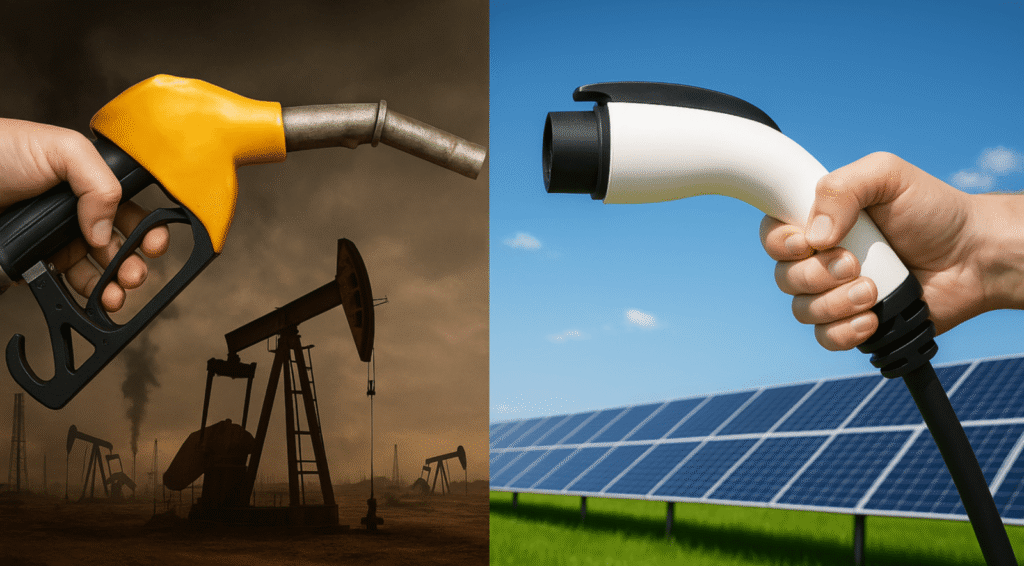
The dream of affordable, eco-friendly driving is turning into a financial nightmare for thousands of Americans. For years, the promise of the electric vehicle (EV) was simple: save the planet, save on maintenance, and never pay at the pump again. But legislators across the United States have a new plan that might make you regret your green purchase. Lawmakers are moving to slap massive flat annual fees on EV owners, ranging from $200 to $250. This isn’t just a standard registration fee; it is a direct attack on the future of transportation and a punch in the gut to early adopters who believed they were making a smart investment.
The Shocking New Cost of Owning an Electric Vehicle
Wait, it gets worse. When you break down the math, EV owners are being asked to pay two to three times more than what the average driver of a gasoline-powered internal combustion engine vehicle pays in federal fuel taxes. How is this fair? It isn’t. It is a punitive measure disguised as infrastructure funding, and it is catching millions of drivers off guard. The narrative being pushed by federal and state lawmakers is that since EV owners do not pay gas taxes, they are not paying their fair share for road maintenance. While it is true that fuel taxes fund the Highway Trust Fund, the proposed flat fees are wildly disproportionate and lack any semblance of logical parity.
Currently, EVs represent about 10% of new car sales in the U.S. Instead of incentivizing this growth to combat climate change and reduce smog in our cities, these new laws create a massive financial barrier that could grind the green revolution to a screeching halt. Consider the average gas car driver. Through fuel taxes, they contribute a specific amount based on how much they actually drive. If you have an efficient hybrid or a car that stays in the garage most of the week, you pay less. But for the EV owner, the proposed $250 fee is mandatory regardless of whether you drive 5,000 miles or 50,000 miles a year. This blanket fee approach is lazy at best and intentionally malicious at worst.
The Math Simply Does Not Add Up
Let’s look at the numbers that the politicians do not want you to see. The average driver in the United States pays significantly less than $100 per year in federal gasoline taxes. By demanding $250 from an EV owner, the government is essentially taxing them as if they were driving a massive, gas-guzzling vintage SUV that gets 10 miles to the gallon. This disparity is a slap in the face to anyone who bought an electric car to save money and reduce their carbon footprint. Why are the most efficient vehicles on the road being taxed at the highest rates?
Furthermore, these fees ignore the massive hidden benefits that EVs provide to the public. Extensive studies show that electric vehicles deliver billions of dollars in health, environmental, and energy security benefits every single year. By reducing tailpipe emissions, EVs lower healthcare costs associated with respiratory illnesses and heart disease in urban areas. By moving away from foreign oil, we increase our national energy independence. Yet, instead of receiving a thank you check for these contributions, EV owners are being handed a bill that triples what their gas-driving neighbors pay. It is a backwards logic that rewards pollution and punishes progress.
Is Big Oil Behind the New Legislation?
One cannot help but wonder who really benefits from these lopsided fees. When you make it more expensive to own an EV, you naturally push people back toward internal combustion engines. This rewards oil dependence and keeps the status quo firmly in place. While infrastructure needs funding, there are far better ways to achieve it than by punishing those who are trying to lead the way into a cleaner future. Why not implement a weight-based fee or a mileage-based system that applies to all vehicles fairly?
According to reports from Electrek, these proposals are gaining traction in several states, often backed by lobbying groups that have a vested interest in the fossil fuel industry. If these fees become the national standard, the 10% market share currently enjoyed by EVs could plummet. We are at a critical tipping point in human history, and instead of leaping forward, we are being held back by archaic tax structures. It is time for drivers to speak up and demand fairness. Road wear and tear should be calculated reasonably, rather than through a flat fee that ignores the reality of modern driving. If we allow these EV tax traps to become law, the only winner will be the oil companies, and the losers will be our wallets and our planet.