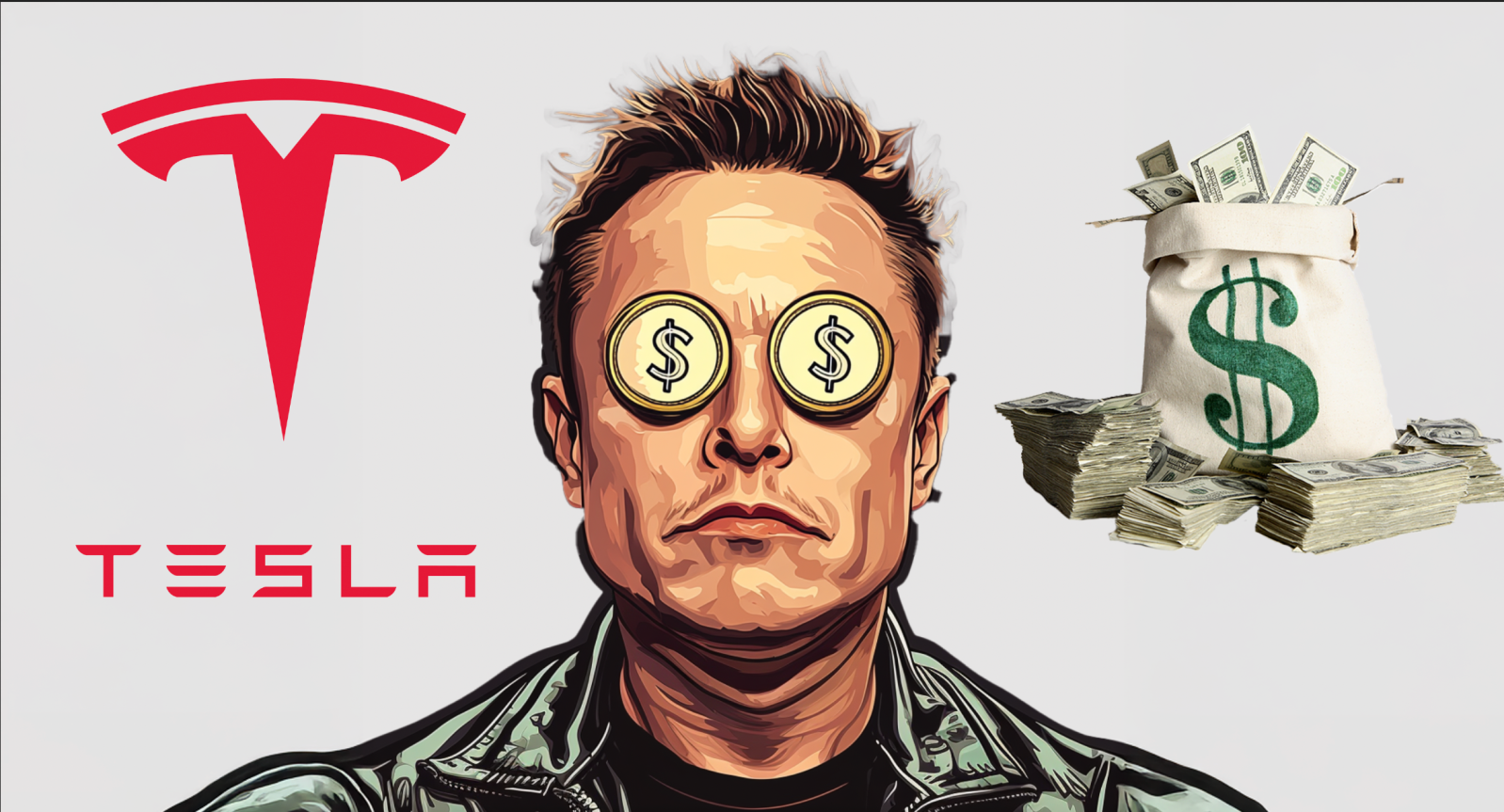
The tech world is reeling after reports surfaced regarding Elon Musk’s latest obsession: the ‘Terafab.’ This semiconductor ambition is set to launch this week, and the financial implications are nothing short of catastrophic for the uninitiated investor. While Musk has built an empire on grand promises and futuristic visions, the cold, hard math of 2024 tells a much darker story. The estimated price tag for this semiconductor venture sits between a staggering $25 billion and $40 billion. For a company that only generated $6.2 billion in free cash flow last year, the math isn’t just hard to reconcile—it is nearly impossible.
The Impossible Math Behind Tesla’s Terafab Project
Tesla has long been the darling of Wall Street, but the ‘Terafab’ might be the weight that finally breaks the camel’s back. To put the $40 billion figure into perspective, one must look at Tesla’s recent financial health. Last year, as earnings crashed, the company’s ability to generate cash slowed to a crawl. When a company wants to spend nearly seven times its annual free cash flow on a single project, sirens should be going off in every brokerage firm across the globe. We are looking at a financial deficit so large that even the most optimistic Tesla bulls are beginning to sweat. The question is no longer if Tesla needs money, but rather where on earth they will find it.
The semiconductor industry is notoriously capital-intensive. Unlike software, which can be scaled with minimal overhead, building a ‘Terafab’ requires specialized machinery, rare materials, and an army of the world’s most expensive engineers. Musk’s pivot into chips is a direct challenge to industry giants like NVIDIA and TSMC, but those companies have decades of specialized infrastructure and massive cash reserves. Tesla is attempting to enter this arena while its primary source of income—electric vehicles—is facing cooling demand and a brutal price war. This is a high-stakes poker game where the chips are billions of dollars of shareholder equity.
A Financial Abyss: The Funding Gap Explained
Why is this happening now? Tesla hasn’t raised capital through a stock offering since December 2020. Back then, the company took advantage of a surging stock price to complete three at-the-market offerings, pulling in a cool $12 billion in just twelve months. That cushion has served them well, but it is now effectively gone. The Terafab project changes the equation entirely, shifting Tesla from a self-sustaining EV maker back into a capital-hungry startup phase. If the company cannot fund this through operations, they must look elsewhere. According to recent financial analysis, a massive secondary offering may be the only way out.
Investors are terrified that a new capital raise will dilute their shares. If Tesla issues $20 billion or $30 billion in new stock to fund the Terafab, the value of existing shares could plummet. This creates a catch-22 for Musk: he needs the Terafab to keep Tesla at the cutting edge of AI and self-driving technology, but the act of funding it could destroy the very stock price that gives the company its legendary valuation. The market is currently pricing in a miracle, but miracles are hard to come by when your earnings are crashing and your expenses are skyrocketing into the stratosphere.
Will Shareholders Pay the Price? The Return of the Offering
The era of ‘free money’ is over. With interest rates remaining high and Tesla’s earnings under pressure, the company cannot simply borrow its way out of a $40 billion hole. This leaves the dreaded ‘secondary offering’ as the most likely path forward. For years, Musk has boasted that Tesla would not need to return to the capital markets, yet here we are. The Terafab is not just a factory; it is a black hole for capital. Every dollar spent on silicon is a dollar not spent on the Cybertruck, the Model 2, or the expansion of the Supercharger network. The opportunity cost is immense.
Sensational as it sounds, we are witnessing the biggest financial gamble in the history of the automotive industry. If Musk succeeds, Tesla becomes an AI and hardware powerhouse that rivals the biggest names in Silicon Valley. If he fails, the Terafab will be remembered as the vanity project that drained the company dry. As the launch approaches this week, all eyes are on the balance sheet. Is this the beginning of a new era for Tesla, or the start of a long, painful dilution for everyone holding TSLA stock? Only time—and perhaps a massive new stock issuance—will tell.