The $4.3 Billion Shockwave: Tesla’s Massive Battery Secret Finally Unveiled
The energy sector has been buzzing with rumors for months, but the truth is finally out. In a move that has sent shockwaves through the global market, the US government has officially confirmed that Tesla is the titan behind the massive $4.3 billion lithium iron phosphate (LFP) battery supply contract with LG Energy Solution. This revelation ends the high-stakes guessing game that began last July when LG first hinted at a record-breaking deal with an unnamed automotive giant. Now that the cat is out of the bag, the sheer scale of Elon Musk’s energy ambitions is coming into sharp focus. This partnership is not just a business transaction; it is a declaration of war on fossil fuels and a massive vote of confidence in LFP technology.
Why the Switch to LFP is a Game-Changer for Tesla
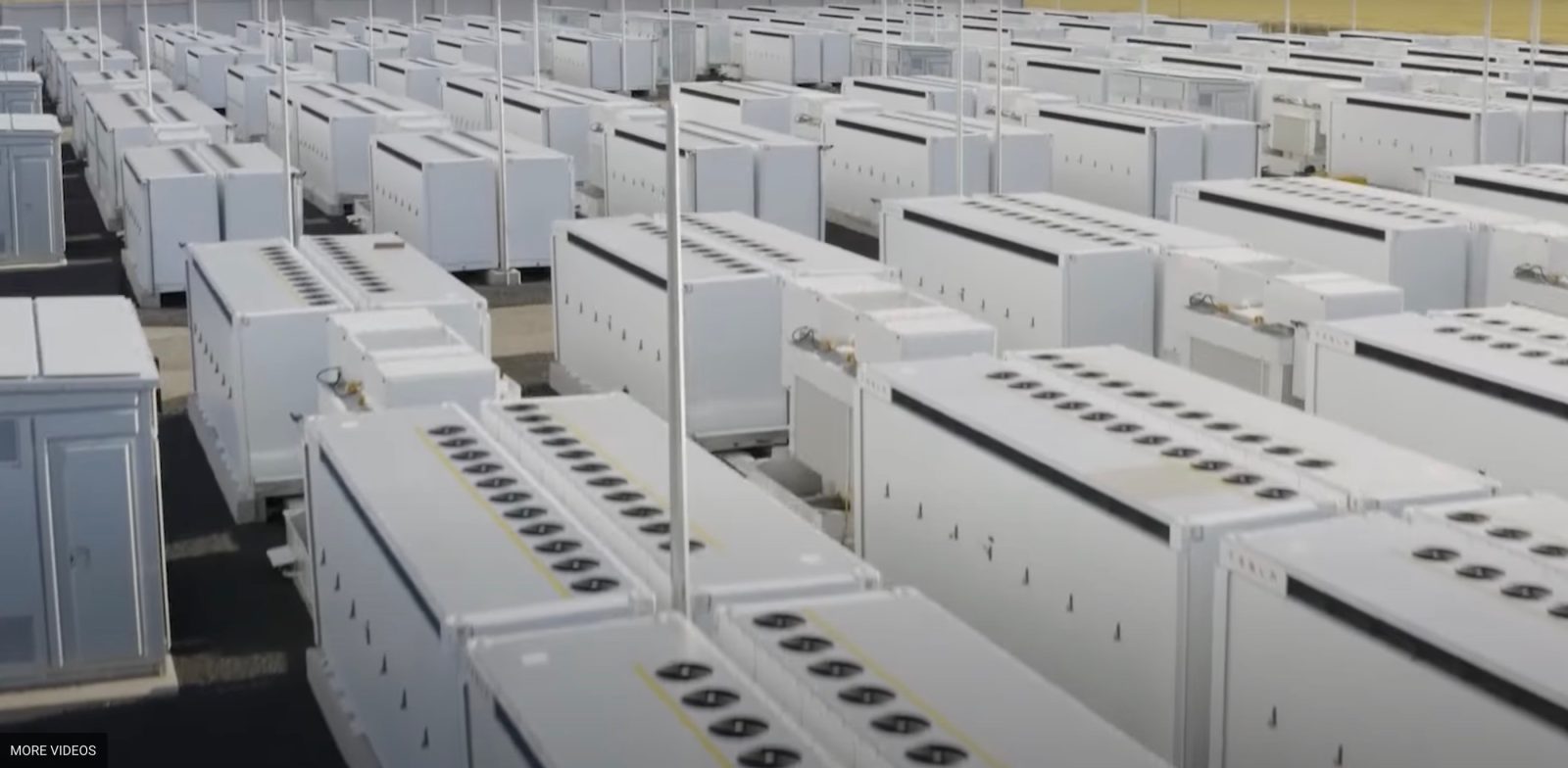
For years, the industry relied on nickel-cobalt-manganese (NCM) chemistries, but Tesla’s pivot to LFP (Lithium Iron Phosphate) signifies a radical shift in strategy for its stationary storage division. LFP batteries are famously more durable, cheaper to produce, and significantly safer than their high-energy-density counterparts. By securing a $4.3 billion supply line, Tesla is ensuring that its energy storage division—specifically the Megapack—remains the undisputed king of the utility-scale battery market. These prismatic cells are designed to withstand thousands of cycles, making them the perfect candidate for stabilizing the electric grid across the globe. Furthermore, by moving away from cobalt, Tesla is dodging the ethical and supply-chain nightmares associated with traditional battery mining, positioning itself as a leader in sustainable and ethical energy storage solutions.
- Increased thermal stability for long-term safety and fire prevention
- Lower production costs leading to higher profit margins for Tesla Energy
- Longer cycle life for industrial-grade applications and grid stability
- Reduced reliance on rare and expensive minerals like nickel and cobalt
The Michigan-Texas Connection: A New American Powerhouse
This agreement is not just about cells; it is about building an American-made energy future. Under the three-year deal, LG Energy Solution will produce these cutting-edge LFP prismatic cells at its sprawling Lansing, Michigan factory. This strategic location is no accident. By manufacturing in the United States, Tesla and LG can tap into lucrative federal incentives provided by the Inflation Reduction Act, effectively lowering the cost of every Megapack that rolls off the line. From Michigan, these cells will be transported directly to the Houston Megafactory, where they will be integrated into the next-generation Megapack 3 systems. This streamlined supply chain is designed to ramp up production starting in 2027, just as the global demand for renewable energy storage is expected to explode to unprecedented levels.
As we look toward the future, it is clear that Tesla is no longer just a car company. With this multi-billion dollar commitment, they are doubling down on the belief that energy storage will eventually rival the automotive business in total revenue. The Megapack 3 represents the pinnacle of this vision, offering utility providers a turnkey solution to replace aging coal and gas plants. According to reports from Electrek, this deal is the missing piece of the puzzle for Tesla’s 2030 energy goals. The competition, including global giants like BYD and CATL, is already scrambling to react to this massive consolidation of supply. With LG’s manufacturing muscle and Tesla’s deployment speed, the Michigan-to-Texas corridor is set to become the epicenter of the global energy revolution. This massive investment proves that the transition to sustainable energy is not just a dream—it is a $4.3 billion reality that will change how we power our world forever.