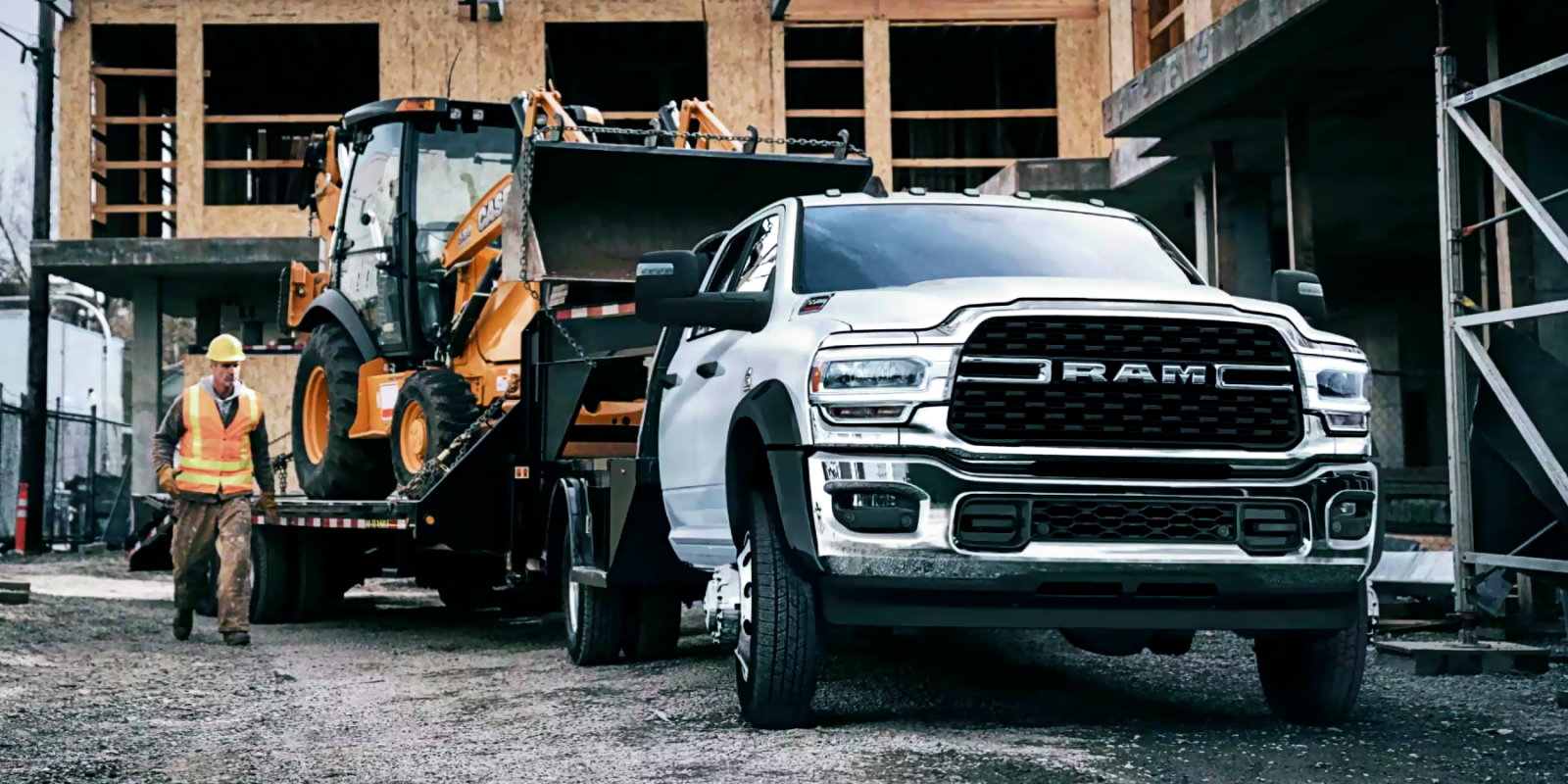
For decades, the Ram 4500 and 5500 HD trucks have been the backbone of the American workforce. Whether it is pulling massive trailers across state lines or clearing the streets of broken-down sedans, these beasts are synonymous with the rumble of the Cummins diesel engine. But a seismic shift is happening under the hood. While Stellantis, the parent company of Ram, continues to move at a corporate snail’s pace toward heavy-duty electrification, a bold new startup is taking matters into its own hands. This isn’t just a modification; it is a full-blown revolution that threatens to end the reign of diesel in the commercial sector.
Why the Electric Ram 5500 Changes Everything
The move to an electric platform for a vehicle as massive as the Ram 5500 might seem like heresy to purists, but the numbers do not lie. Electric motors provide instantaneous torque, something that even the most tuned diesel engines struggle to match from a dead stop. For hotshot haulers who need to get heavy loads moving quickly, the electric powertrain is a dream come true. Furthermore, the reduction in moving parts means that the high maintenance costs associated with complex exhaust after-treatment systems and frequent oil changes are virtually eliminated.
Commercial operators are tired of waiting for the big manufacturers to catch up. The ‘wait and see’ approach from major OEMs has left a massive gap in the market that innovators are now filling with speed and precision. By converting the rugged chassis of the Ram 5500 into a battery-electric vehicle (BEV), this startup is proving that the future of heavy-duty transport isn’t years away—it’s happening right now in specialized garages across the country.
A Startup Faster Than Stellantis
Why hasn’t Ram released an official electric 5500 yet? The answer usually boils down to corporate bureaucracy and the massive infrastructure required to pivot global assembly lines. However, the startup world operates on a different clock. These engineers aren’t waiting for board approval; they are sourcing high-density battery packs and high-output motors to create a commercial vehicle that meets the demands of 2024 and beyond. They recognize that the Cummins engine, while legendary, is a relic of a carbon-heavy past that is increasingly expensive to maintain and fuel.
The demand for these conversions is skyrocketing. Companies that specialize in urban towing are particularly interested because of looming zero-emission zones in major metropolitan areas. An electric Ram 5500 allows these businesses to continue operating where diesel trucks might soon be banned, giving them a massive competitive edge over legacy fleets.
The Future of Heavy-Duty Towing
As we look toward the horizon, the question is no longer whether heavy-duty trucks will go electric, but who will lead the charge. The integration of advanced telematics and regenerative braking makes these converted Rams more than just workhorses; they are smart tools for the modern age. Every time a driver hits the brakes on a steep grade, they aren’t just wearing down pads; they are feeding energy back into the battery system, extending range and efficiency in ways a diesel engine never could.
You can read more about the latest commercial EV developments on Electrek. The transition is inevitable, and for those who make their living behind the wheel of a Ram 5500, the choice between the smell of diesel fumes and the silent power of electricity is becoming clearer every day. It is time to embrace the change or get left in the dust of the startup revolution.
The engineering behind these conversions focuses on weight distribution and preserving the legendary payload capacity of the Ram chassis. By placing the battery packs low in the frame, the center of gravity is improved, making these heavy trucks surprisingly nimble and stable under load. This isn’t just about being ‘green’; it is about building a better, more reliable truck for the toughest jobs on the planet. As the first units hit the road, the industry is watching closely. If these electric conversions hold up to the rigors of real-world towing, the Cummins diesel might finally meet its match.