
The Evolving Landscape of Electric Vehicles: A Comprehensive Guide to Top E-Bike Selections
The world of personal transportation is undergoing a profound transformation, with Electric Vehicles (EVs) at the forefront of this revolution. Within the burgeoning EV sector, electric bicycles, or e-bikes, have emerged as a particularly accessible and popular choice for a wide range of consumers. These versatile machines are not only contributing to a greener future but are also redefining urban mobility and recreational cycling. Drawing upon extensive hands-on testing and accumulated mileage, a deep understanding of the electric bike market has been cultivated, enabling the identification of superior models across various budget constraints. This detailed evaluation aims to guide potential buyers towards the best electric bicycles available, especially as the riding season approaches.
Navigating the Diverse E-Bike Market
The market for electric bikes is vast and continually expanding, offering a plethora of options for every conceivable need and preference. From budget-friendly commuters designed for daily errands to high-performance machines built for rugged trails, the variety is impressive. Factors such as motor power, battery range, frame design, component quality, and intended use all play a crucial role in determining an e-bike’s suitability. For instance, an e-bike intended for city commuting might prioritize comfort, integrated lights, and cargo-carrying capabilities, while a mountain e-bike would focus on suspension, durable tires, and powerful torque for off-road climbs. The continuous innovation in EV Tech ensures that battery technology is improving, leading to longer ranges and faster charging times, making electric bikes an even more compelling alternative to traditional transportation methods.
The ongoing advancements in Electric Vehicle technology are directly impacting the e-bike sector. Enhanced battery management systems, more efficient motor designs, and sophisticated control electronics are contributing to a superior riding experience. This evolution means that the “best” e-bike is not a static designation but one that changes with technological progress and market trends. For consumers looking to invest in an electric bike, understanding these developments is key to making an informed purchase. The emphasis on sustainable transportation, driven by the broader adoption of Electric Vehicles, further bolsters the appeal of e-bikes as a eco-conscious choice. Whether for leisure, exercise, or daily commuting, the right electric bike can significantly enhance one’s lifestyle while reducing their carbon footprint. The proliferation of EV Tech in this segment also means greater competition, which often translates to better value for consumers.
Key Considerations for Purchasing an Electric Bicycle
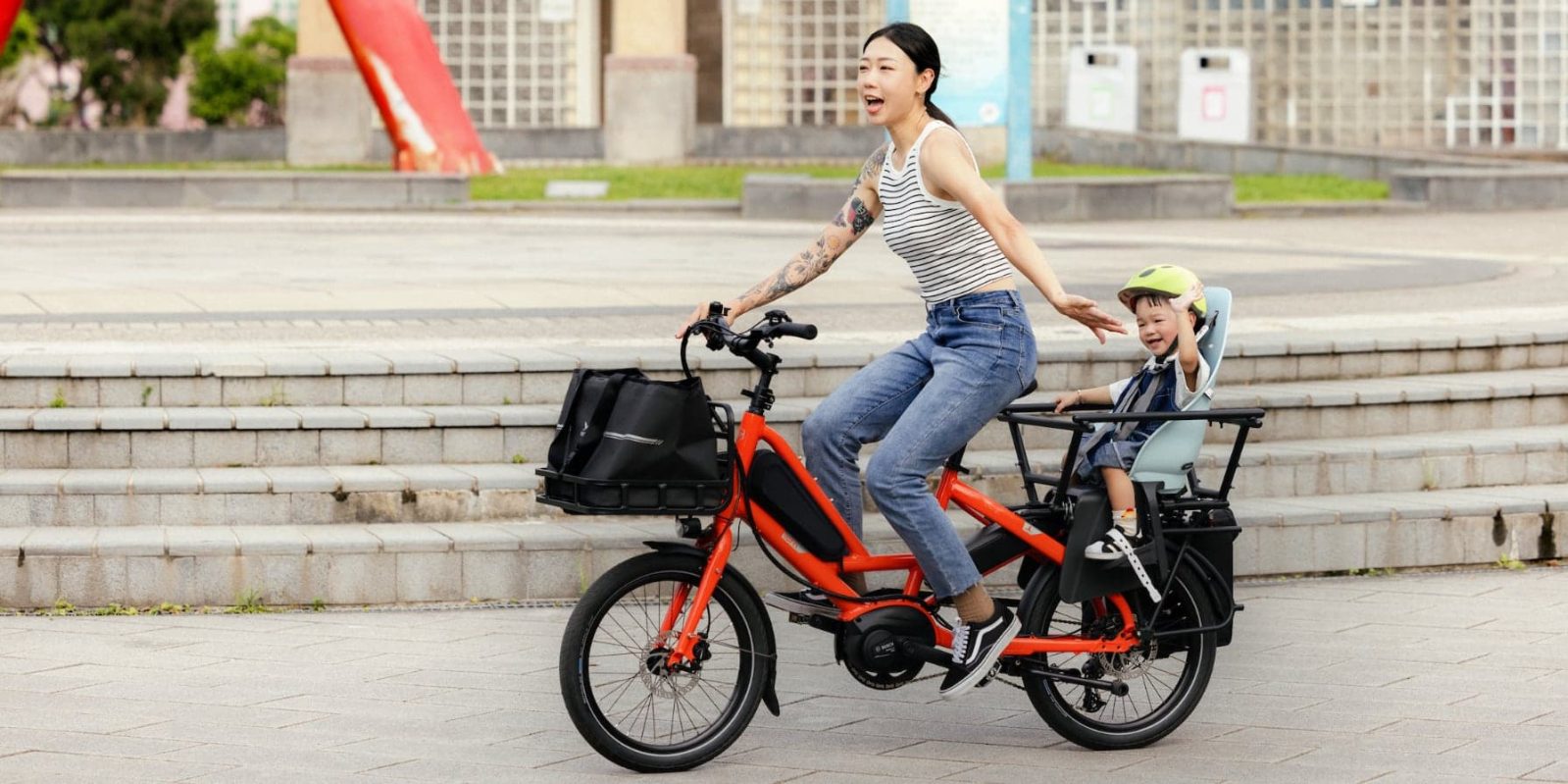
When selecting an electric bicycle, several critical factors warrant careful consideration. Firstly, the intended use case is paramount. Are you looking for an e-bike for leisurely weekend rides, daily commuting, tackling challenging mountain trails, or transporting cargo? Your answer will dictate the type of e-bike that best suits your needs. Commuter e-bikes often feature upright riding positions, fenders, racks, and integrated lights for practicality and safety. Folding e-bikes offer convenience for those with limited storage space or who need to combine cycling with public transport. Electric mountain bikes (eMTBs) come with robust frames, powerful motors, and advanced suspension systems to handle rough terrain. Cargo e-bikes are specifically designed to carry significant loads, making them ideal for businesses or families.
Secondly, understanding battery and motor specifications is crucial. Battery capacity, typically measured in watt-hours (Wh), determines the e-bike’s range. A higher Wh rating generally means a longer distance on a single charge. Motor type also varies, with hub motors and mid-drive motors being the most common. Mid-drive motors, often found on higher-end electric bikes, offer a more natural feel and better weight distribution, providing superior climbing ability and efficiency. Motor power, measured in watts, influences acceleration and hill-climbing performance. Additionally, consider the electric assist levels offered by the bike, allowing you to customize the amount of motor support you receive. The integration of advanced EV Tech ensures that these components are becoming increasingly reliable and user-friendly.
Finally, budget and component quality are significant considerations. While entry-level electric bikes can be found at attractive price points, investing a bit more often yields significant improvements in build quality, motor performance, battery longevity, and overall durability. Key components to inspect include the brakes (hydraulic disc brakes are generally preferred for their stopping power), drivetrain (Shimano or SRAM are reputable brands), and suspension (if applicable). Reading reviews from reputable sources and, if possible, test-riding different models can provide invaluable insights. As the Electric Vehicle industry continues to grow, the quality and features available in electric bikes at every price level are constantly improving, making it an exciting time to explore this dynamic segment of personal mobility.