BMW Integrates Advanced Humanoid Robots into Electric Vehicle Production
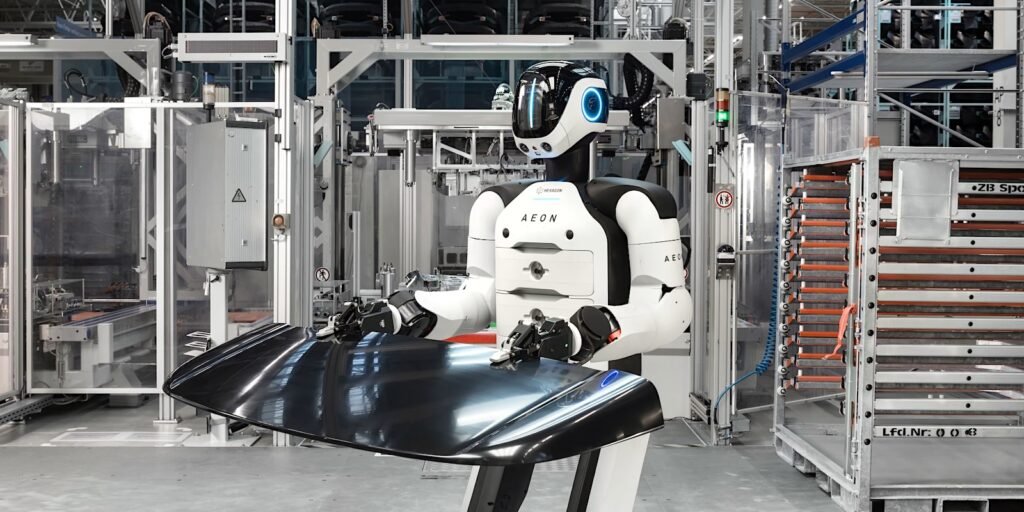
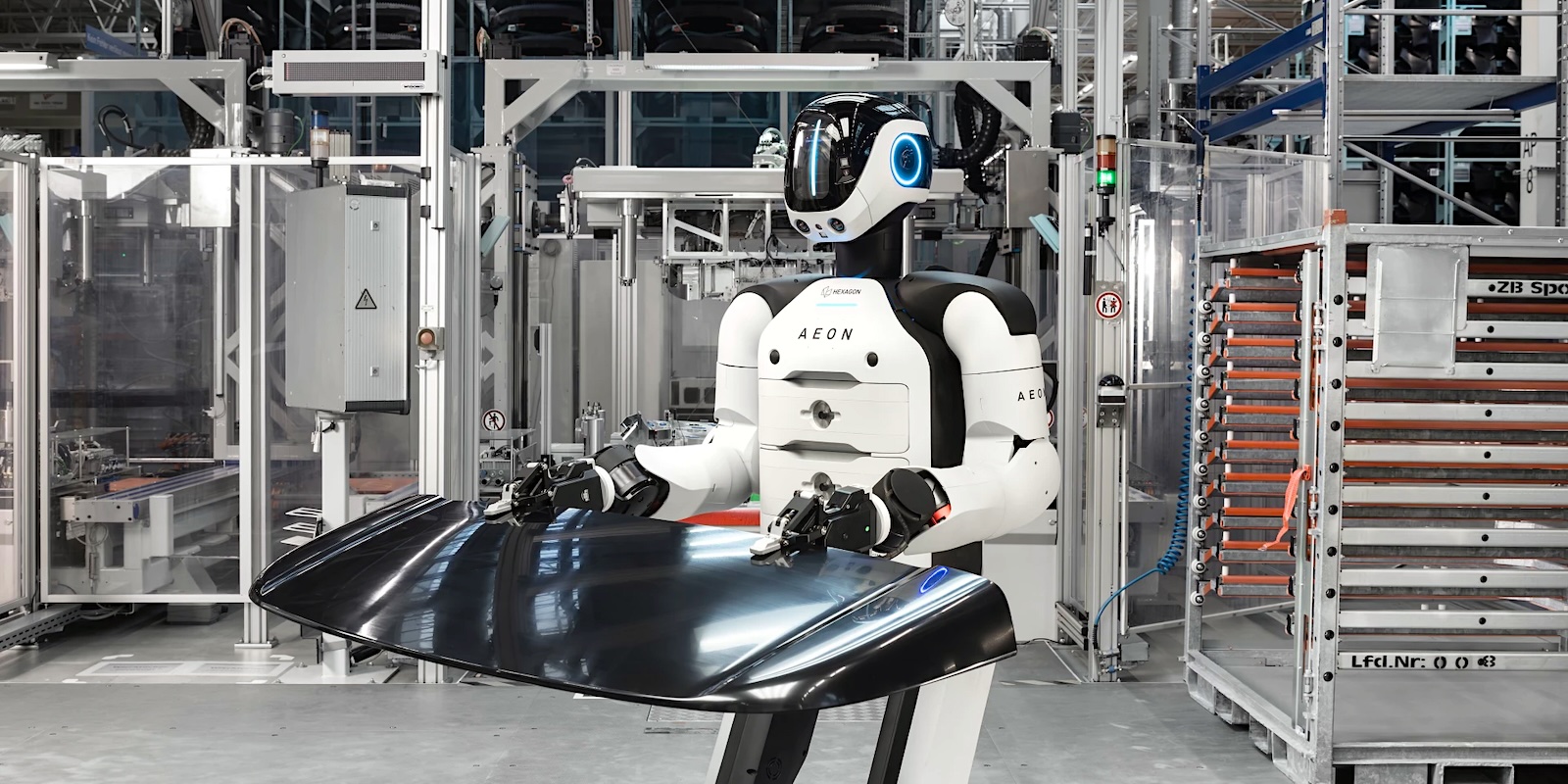
BMW is stepping up its commitment to cutting-edge automation by deploying sophisticated humanoid robots within its German iFACTORY at Leipzig, a move that builds upon the successful trials of similar AI-powered machines at its Spartanburg, South Carolina plant last year. This strategic integration of advanced robotics signifies a significant evolution in how Electric Vehicles (EVs) are manufactured, promising enhanced efficiency, precision, and adaptability in the production process for next-generation Electric Vehicles.
The decision to expand the use of humanoid robots from its US operations to its European heartland underscores BMW’s forward-thinking approach to the challenges and opportunities presented by the burgeoning EV market. As demand for Electric Vehicles continues to surge globally, manufacturers are under increasing pressure to scale up production while maintaining stringent quality standards. AI-driven robotic solutions are emerging as a key enabler in meeting these complex demands.
The iFACTORY initiative represents BMW’s comprehensive vision for the future of automotive manufacturing, focusing on flexibility, digitalization, and sustainability. The introduction of humanoid robots aligns perfectly with these principles, offering a level of dexterity and adaptability that traditional automation systems often lack. These robots are capable of performing a wide range of tasks, from delicate assembly processes to more physically demanding operations, all with a high degree of accuracy.
Humanoid Robots: Enhancing Efficiency and Precision in EV Manufacturing
The advanced humanoid robots being deployed by BMW are not merely industrial automatons; they are intelligent agents equipped with sophisticated AI capabilities. This allows them to learn, adapt, and collaborate with human workers, creating a more dynamic and efficient production environment. In the context of Electric Vehicle assembly, these robots can be programmed to execute intricate tasks with unparalleled precision, which is crucial for components like battery packs, advanced powertrain systems, and complex wiring harnesses inherent in modern EVs.
One of the primary advantages of using humanoid robots in EV production is their ability to handle repetitive and ergonomically challenging tasks. This not only reduces the risk of workplace injuries for human employees but also ensures a consistent level of quality in the manufacturing process. By taking over these specific duties, human workers can be redirected to more complex roles that require critical thinking, problem-solving, and specialized oversight, further optimizing the overall workflow for Electric Vehicles.
The AI integration also enables these robots to perform quality control checks on the fly. Equipped with advanced sensors and vision systems, they can detect minute defects or deviations from specifications, flagging them immediately for human intervention or self-correction. This proactive approach to quality assurance is vital in the production of Electric Vehicles, where reliability and safety are paramount.
The Future of EV Tech: A Symbiotic Relationship Between Humans and Robots
BMW’s foray into widespread humanoid robot deployment is a clear indicator of the direction EV Tech is heading. It suggests a future where humans and robots work in close proximity, each leveraging their unique strengths. The robots handle the precision, repetition, and heavy lifting, while humans provide the oversight, creativity, and critical decision-making. This symbiotic relationship has the potential to revolutionize the speed and scale at which Electric Vehicles can be produced.
The Leipzig iFACTORY, as a state-of-the-art production facility, is the ideal environment for testing and refining these advanced manufacturing techniques. The insights gained from this deployment will be invaluable in shaping BMW’s global manufacturing strategy for Electric Vehicles. It is not just about efficiency; it is about creating a more resilient, agile, and technologically advanced manufacturing ecosystem capable of meeting the evolving demands of the automotive industry and the growing consumer appetite for innovative Electric Vehicles.
The successful implementation of humanoid robots at Leipzig will likely serve as a blueprint for other automotive manufacturers looking to enhance their own EV production lines. As EV Tech continues its rapid advancement, the integration of AI and robotics into manufacturing processes will become increasingly commonplace, ensuring that the industry can meet the global transition to sustainable mobility head-on. This move by BMW is a significant step in that direction, solidifying their position at the forefront of Electric Vehicle innovation and production.