
Pittsburg State University Receives Significant Electric Vehicle Donation to Advance EV Tech Education
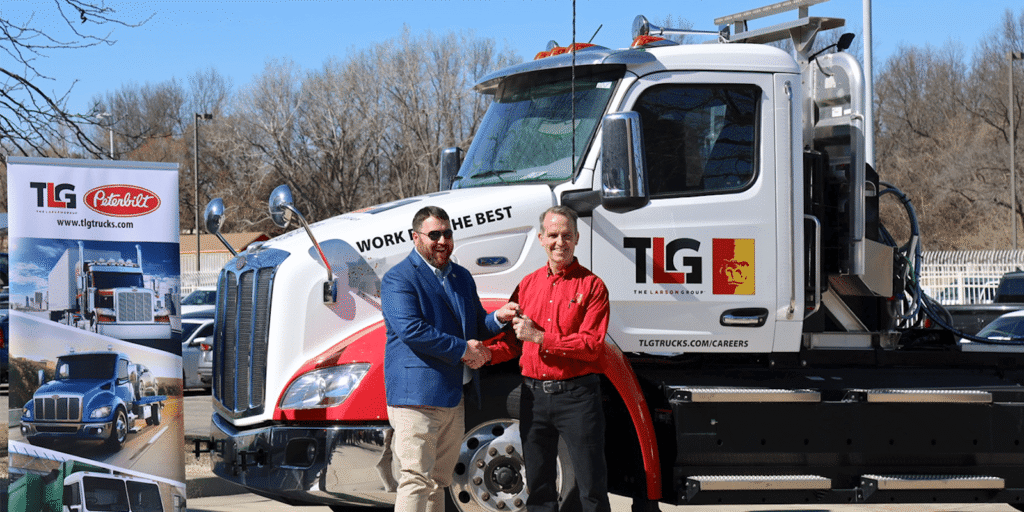
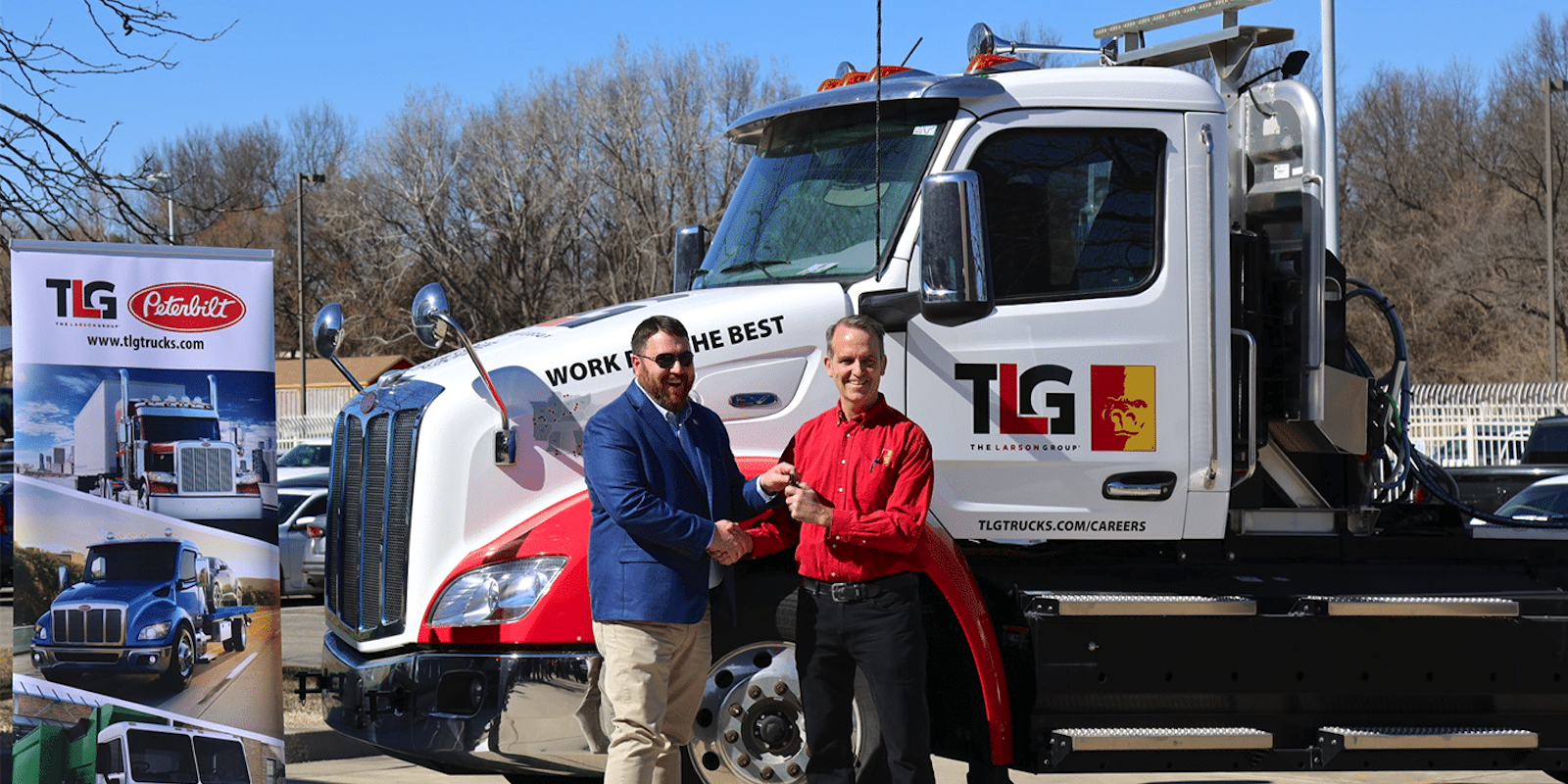
Pittsburg State University’s Crossland College of Technology has been significantly bolstered in its commitment to advancing Electric Vehicles (EV) and EV Tech education with the recent receipt of a substantial donation. TLG has gifted the university an impressive 82,000 lb. Gross Vehicle Weight Rating (GVWR) Peterbilt Model 579EV Class 8 electric semi-truck. This donation marks a pivotal moment for the university’s automotive and technology programs, providing students with hands-on experience with cutting-edge Electric Vehicles technology.
The Peterbilt Model 579EV is a testament to the evolving landscape of heavy-duty trucking, showcasing the transition towards more sustainable and technologically advanced transportation solutions. This Class 8 electric semi-truck represents a significant leap forward in the commercial vehicle sector, and its integration into Pittsburg State University’s curriculum will undoubtedly equip students with the specialized skills required for the future of the Electric Vehicles industry. The sheer weight rating of 82,000 lbs. underscores the robust nature and heavy-duty capabilities of this electric semi-truck, providing a realistic training platform for students aspiring to work in the maintenance, repair, and operation of commercial Electric Vehicles.
This generous contribution from TLG is more than just the addition of a single vehicle; it signifies a broader commitment to fostering the next generation of skilled technicians and engineers in the rapidly growing field of Electric Vehicles. As the automotive industry continues its swift pivot towards electrification, the demand for professionals adept at handling Electric Vehicles and understanding their intricate EV Tech systems is skyrocketing. Pittsburg State University, through this donation, is positioning itself at the forefront of this educational transformation.
Hands-On Training with Advanced Electric Vehicles Technology
The inclusion of the Peterbilt Model 579EV in the university’s fleet provides an unparalleled opportunity for students to engage directly with high-voltage systems, advanced battery technology, electric powertrains, and sophisticated diagnostic tools specific to Electric Vehicles. Traditional internal combustion engine training is essential, but the future clearly lies in Electric Vehicles. Students will gain practical experience that goes beyond theoretical knowledge, enabling them to troubleshoot, maintain, and repair these complex machines. This hands-on approach is crucial for developing confidence and competence, preparing them not just for entry-level positions but for leadership roles in the EV Tech sector.
The curriculum at the Crossland College of Technology will likely be enhanced to incorporate specific modules focused on the unique aspects of electric semi-trucks. This could include training on battery management systems, regenerative braking, electric motor diagnostics, charging infrastructure interaction, and the safety protocols associated with high-voltage EV systems. The ability to work on a vehicle as substantial and technologically advanced as the Peterbilt 579EV will give Pittsburg State graduates a distinct competitive advantage in the job market, particularly within the commercial Electric Vehicles segment.
Driving the Future of Electric Vehicles and EV Tech
The donation of this Class 8 electric semi-truck is a clear indicator of the growing importance of specialized education in Electric Vehicles. As more companies invest in electric fleets, the need for trained personnel to service and manage these Electric Vehicles will continue to grow exponentially. Pittsburg State University’s initiative to integrate such advanced EV Tech into its programs demonstrates foresight and a dedication to meeting industry demands. This partnership between academia and industry, exemplified by TLG’s donation, is vital for accelerating the adoption and success of Electric Vehicles across all sectors of transportation.
Furthermore, this initiative can serve as a model for other educational institutions looking to bolster their offerings in the Electric Vehicles space. By providing access to state-of-the-art equipment like the Peterbilt 579EV, universities can cultivate a pipeline of talent capable of driving innovation and progress in the clean energy and transportation industries. The impact of this donation will be felt not only by the students who benefit from the hands-on training but also by the broader ecosystem of Electric Vehicles and EV Tech, as it contributes to a more skilled and ready workforce.