Daimler Truck CEO’s Bold Hydrogen Claims Met with Scrutiny Amidst Electric Vehicle Advancements
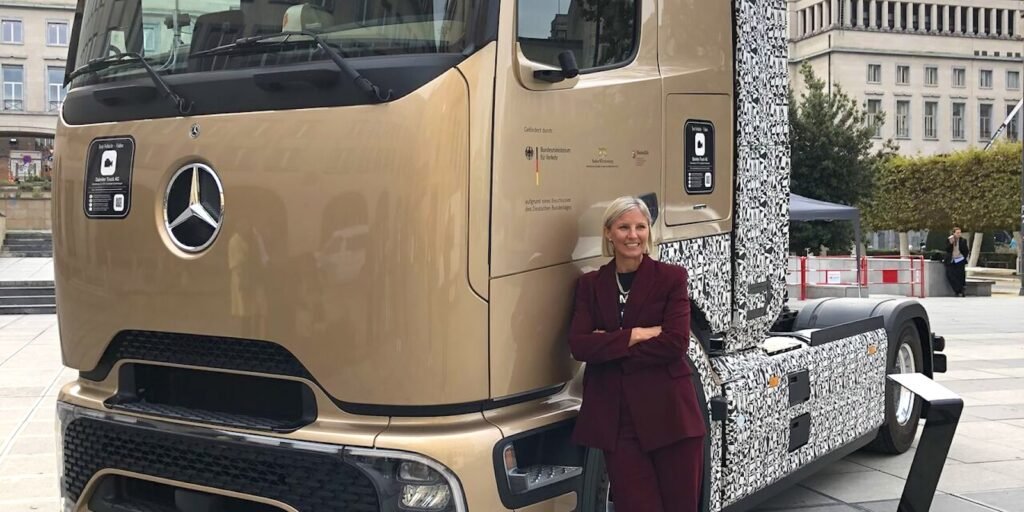
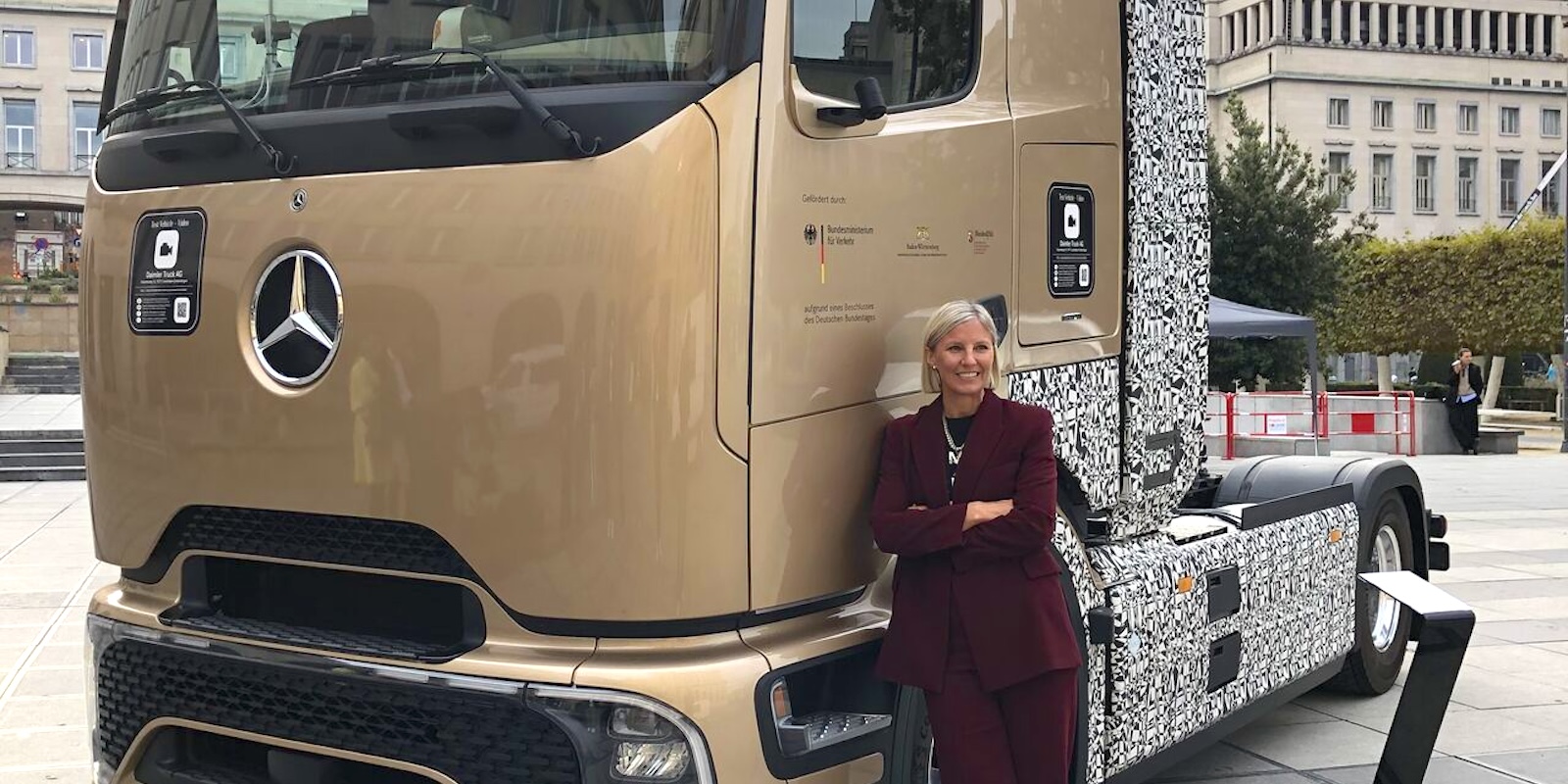
In a recent LinkedIn post that has generated considerable discussion within the Electric Vehicles (EVs) and broader automotive technology sectors, Karin Rådström, the CEO of Daimler Truck AG, articulated a strong, almost impassioned, defense of hydrogen fuel cell technology for heavy-duty trucking. Rådström described the potential of hydrogen as “emotional” and “inspiring,” making substantial assertions regarding its economic viability and practical application in the commercial vehicle landscape. However, these declarations arrive at a time when competing technologies, particularly battery-electric powertrains, are rapidly accumulating real-world operational data and mileage, raising questions about the timeliness and comparative advantage of Daimler’s hydrogen-centric strategy in the evolving world of Electric Vehicles (EVs) and EV Tech.
The Growing Electric Vehicle Mile Marker Gap
A significant point of contention arising from Rådström’s statements is the stark contrast in operational mileage between Daimler’s hydrogen-powered semi-truck initiatives and those of its direct competitors utilizing battery-electric powertrains. Industry observers have pointed out that Daimler’s hydrogen trucks are reportedly over 100 million miles behind Volvo’s electric semi-trucks in terms of cumulative real-world deployment. This substantial gap in operational experience represents a critical difference in the validation and refinement of EV Tech for heavy-duty applications. The accumulation of millions of miles provides invaluable data on battery degradation, charging infrastructure reliability, maintenance costs, and overall performance under diverse operational conditions – crucial metrics for the widespread adoption of Electric Vehicles.
This discrepancy in mileage is not merely an academic figure; it speaks to the practical readiness and market penetration of different EV Tech solutions. While hydrogen fuel cell technology promises long-range capabilities and faster refueling times, which are attractive propositions for long-haul trucking, the practical challenges associated with building a comprehensive hydrogen refueling infrastructure remain formidable. Furthermore, the efficiency of hydrogen production, transportation, and conversion back into usable energy is often lower compared to the direct use of electricity in battery-electric vehicles. The ongoing advancements in battery technology, including increased energy density, faster charging speeds, and improved lifespan, continue to narrow the perceived gap in range and operational flexibility for Electric Vehicles, making them an increasingly compelling choice for a wider array of commercial applications.
Daimler’s Hydrogen Vision vs. Market Realities
Rådström’s optimistic outlook on hydrogen for heavy-duty transport places Daimler Truck AG at odds with the current trajectory of many players in the Electric Vehicles market. While the company has invested in hydrogen fuel cell development, including partnerships and pilot programs, the tangible progress in terms of deployed vehicles and accumulated operational data appears to be significantly lagging behind battery-electric alternatives. The recent update highlighting that smaller players like Workhorse Group have surpassed 20 million miles with their electric van fleet further underscores the momentum building behind battery-electric solutions for commercial fleets. This suggests that the market is not only embracing Electric Vehicles but is actively proving the reliability and economic sense of battery-powered options.
The economic arguments for hydrogen, while potentially strong in specific high-demand, long-distance scenarios, are still subject to significant variables. The cost of hydrogen production, particularly green hydrogen produced from renewable sources, remains a key factor. Additionally, the capital expenditure for hydrogen fuel cell trucks and the necessary refueling infrastructure represents a substantial investment. In contrast, the total cost of ownership for battery-electric trucks is becoming increasingly competitive, driven by falling battery prices, government incentives for Electric Vehicles, and lower operational and maintenance costs compared to traditional internal combustion engine vehicles. The industry is closely watching how Daimler Truck AG will navigate these competing technological pathways and market pressures as the global push towards sustainable transportation, centered around Electric Vehicles and advanced EV Tech, continues to accelerate.